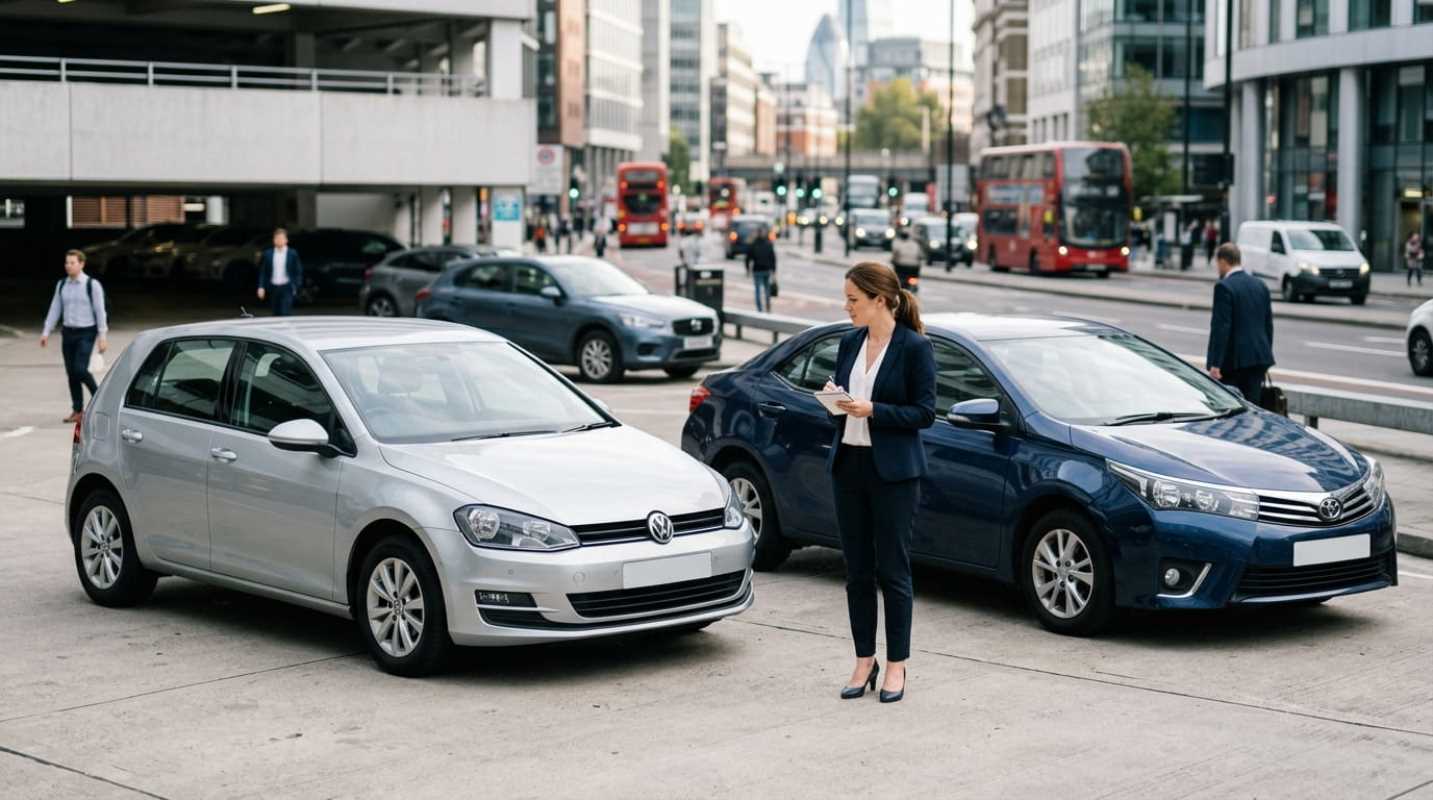
Most people walk onto a dealership lot and focus on one number: the sticker price. It's an easy trap to fall into. But if you're only looking at that big number on the window, you're seeing a fraction of the story. To really win at the car game in 2026, you've got to think about the Total Cost of Ownership (TCO).
So what does this actually mean? TCO is the sum of everything you'll spend on that vehicle from the day you sign the papers to the day you sell it. We're talking about depreciation, interest, insurance, fuel, and those annoying repairs that always seem to happen at the worst time. Think of it like an iceberg. The purchase price is the part sticking out of the water, but the TCO is the massive chunk of ice lurking below that can sink your financial ship. If you want to keep your bank account healthy, you need to change how you shop.
Mastering Depreciation
Depreciation is the single largest expense you'll face as a car owner. It often accounts for 40 percent to 50 percent of your total costs over five years. Have you ever noticed how some cars seem to stay expensive even when they're five years old, while others lose value faster than a smartphone with a cracked screen?
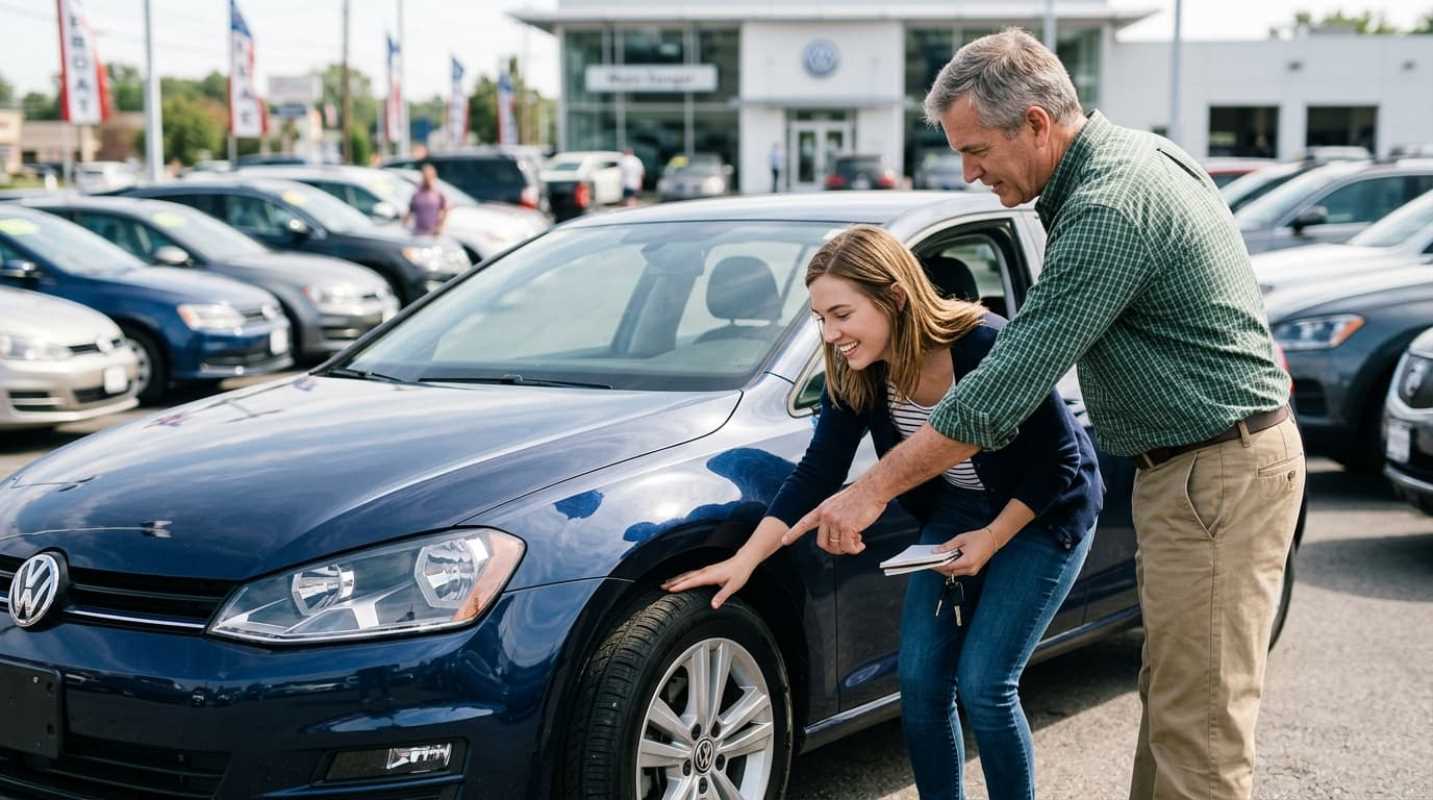
The first three years are usually the most brutal. Most new cars lose a massive chunk of their value the moment you drive them off the lot. If you buy a brand-new vehicle, you're the one eating that loss. But if you target the "sweet spot" (a car that's two or three years old), you let the first owner take the hit while you get a nearly new machine with modern safety tech.
Resale value varies wildly by brand and powertrain. Although trucks and hybrids are holding their value well, electric vehicles have been hitting what experts call the "EV cliff." Some 2025 models are losing value much faster than internal combustion engines, with some EVs dropping nearly 60 percent of their value over five years.³ On the flip side, legendary models like the Porsche 911 or the Toyota Tacoma are practically rock stars of retention.
- Toyota Tacoma: This truck is a legend for a reason, often retaining about 64 percent of its value after five years.
- Porsche 911: If you have the budget, this is the gold standard, retaining a staggering 98 percent of its value after just three years.
- Toyota 4Runner: Known for "bulletproof" reliability, it holds roughly 60 percent of its value over five years.
- Honda Civic: This remains a safe bet for commuters, retaining over 51 percent of its value after half a decade.
Financing Smarter
In 2026, the cost of borrowing money is a major factor in your TCO. Average interest rates for new cars are hovering around 6.8 percent, while used car rates can easily climb into double digits. If you aren't careful, you could end up paying thousands of dollars just in interest over the life of the loan.
The length of your loan matters just as much as the APR. It's tempting to take a 72-month or 84-month loan to get that monthly payment down, but you'll pay a fortune in interest. Plus, you'll likely be "underwater" (owing more than the car is worth) for years. Aim for a 48-month or 60-month term if you can.
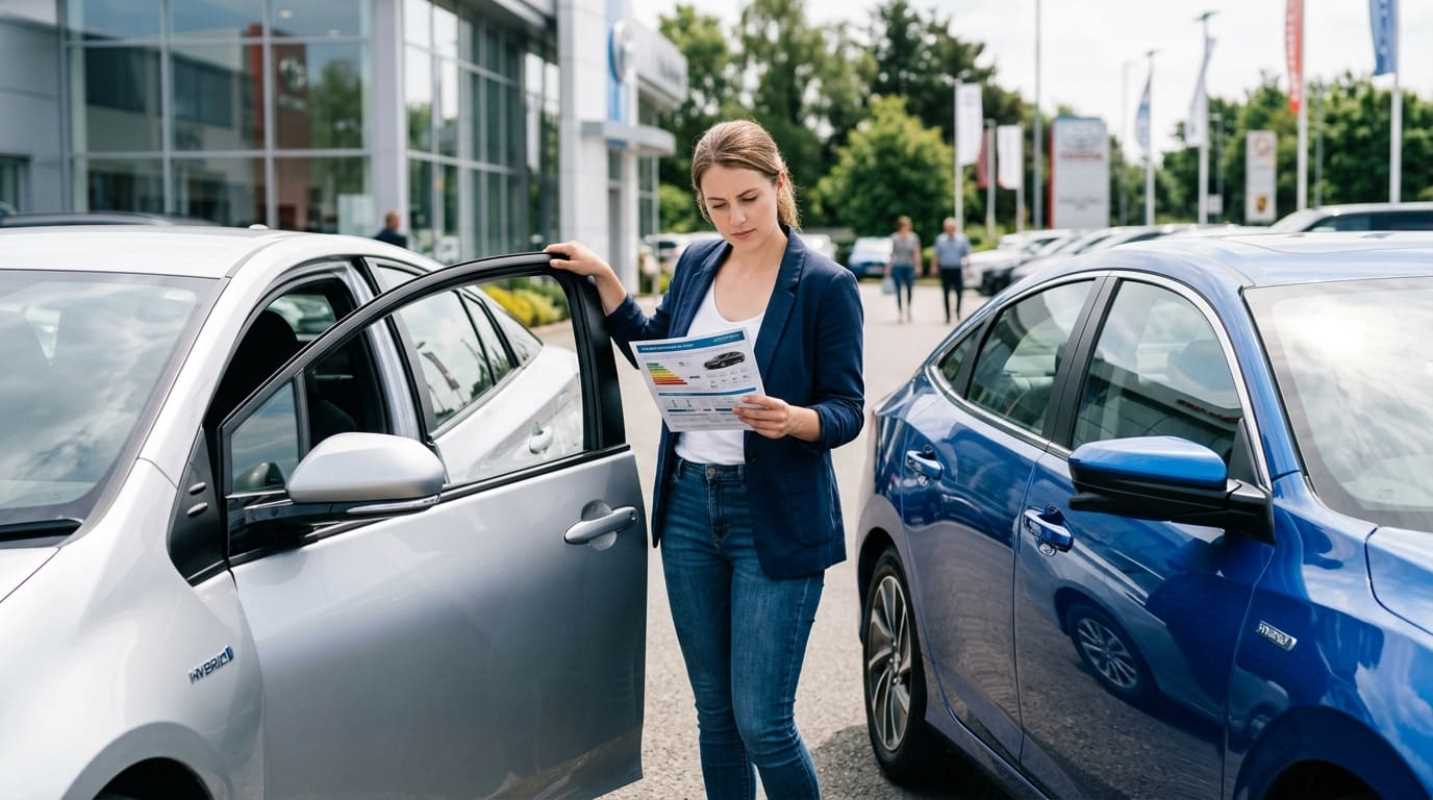
Before you even step foot in a dealership, get pre-approved for financing through your bank or a credit union. This gives you a baseline. When the dealer offers you their financing, you can compare it to your pre-approved rate. If they can't beat it, don't take it. Keeping your credit score high is your best weapon here, as it unlocks the lowest APRs that can save you a small fortune.
Negotiation Tactics
When you finally sit down to talk numbers, don't let the salesperson steer the conversation toward monthly payments. That's a classic trick to hide the true cost of the car. Instead, negotiate the Out-the-Door (OTD) price. This is the total number including taxes, tags, and fees. It's the only number that actually matters.
Watch out for the "extras" in the finance office. Dealers love to sell add-ons like extended warranties, paint protection, or VIN etching. Most of these are high-margin products that you don't need or can buy cheaper elsewhere. If you want a warranty, you can usually buy one later from a reputable provider.
If you have a trade-in, keep it separate from the new car's price. Dealers often use the trade-in value to "shell game" the numbers. Get a quote from a third-party buyer first so you know exactly what your old car is worth. By treating the purchase and the trade as two different transactions, you make sure you're getting a fair shake on both sides of the deal.
Reducing Ownership Costs
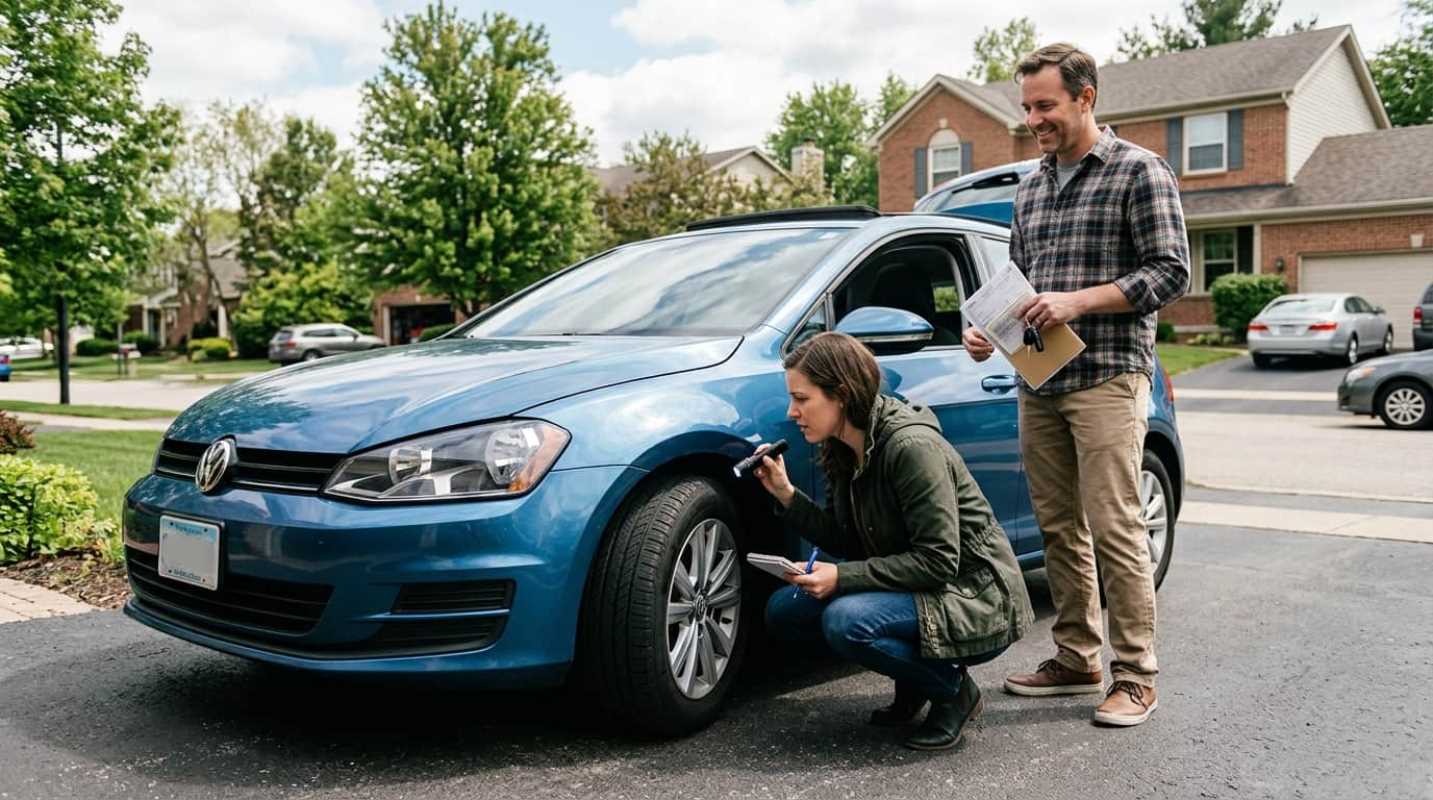
Ownership costs don't stop at the dealership. Insurance premiums are a recurring bill that can vary significantly based on the model you choose. Vehicles with high safety ratings and lower repair costs generally enjoy lower premiums. Before you buy, call your insurance agent and get a quote for the specific VIN you're considering. You might be surprised to find that a "sensible" SUV costs more to insure than a sedan because of its parts cost or theft rates.
Maintenance is another area where you can save or lose a lot of money. In 2024, the average cost to operate a new vehicle was about $0.82 per mile. Although that number has shifted with inflation, the principle remains the same: preventative maintenance is cheaper than reactive repairs. Skipping a $100 oil change is a great way to end up with a $5,000 engine replacement bill.
Once your factory warranty expires, look for a reliable independent mechanic rather than sticking with the dealership for everything. Independent shops often have lower overhead and can save you 20 percent to 30 percent on labor. Just make sure they follow the manufacturer's service schedule to keep the car running efficiently and protect its future resale value.
This article on cardivide.com is for informational and educational purposes only. Readers are encouraged to consult qualified professionals and verify details with official sources before making decisions. This content does not constitute professional advice.