 (Image via
For many people, a car is one of the biggest purchases they’ll ever make, right after a house. It’s more than just a machine that gets you from one place to another; it’s a symbol of freedom and a major part of daily life. Given how much we rely on our vehicles, it makes sense to want them to last as long as possible. A well-maintained car not only runs better and is safer to drive, but it also saves you a significant amount of money over time by helping you avoid expensive, unexpected repairs. Taking care of your car doesn't require you to be a master mechanic. With a little bit of knowledge and some consistent habits, you can keep your ride running smoothly for years to come.
Stick to a Regular Maintenance Schedule
Your car’s owner's manual is probably one of the most important books you'll never read, but it’s packed with valuable information. It contains a detailed maintenance schedule created by the people who designed and built your car. This schedule tells you exactly when to get certain services done, like oil changes, tire rotations, and filter replacements. Following this schedule is the single most effective thing you can do to ensure your car’s longevity.
Think of it like going to the doctor for regular check-ups. You go to catch small problems before they become big ones. The same logic applies to your car. Regular oil changes are a perfect example. Engine oil lubricates all the moving parts inside your engine, reducing friction and preventing overheating. Over time, oil gets dirty and breaks down, losing its effectiveness. Waiting too long between oil changes can lead to serious engine damage. Similarly, rotating your tires helps them wear evenly, extending their life and ensuring a smoother, safer ride.
Check Your Fluids Regularly
Beyond just oil, your car relies on a variety of fluids to operate properly. You don’t need to be an expert to check most of them. Once a month, take a few minutes to pop the hood and inspect your fluid levels. It’s a simple habit that can help you spot a potential leak or problem early on.
Here are the key fluids to check:
- Engine Oil: As mentioned, this is vital. Most cars have a dipstick to check the oil level.
- Coolant (Antifreeze): This fluid keeps your engine from overheating in the summer and freezing in the winter. You can usually see the level through a transparent reservoir.
- Brake Fluid: This is essential for your braking system to work correctly. Like coolant, it's typically in a reservoir where you can check the level.
- Power Steering Fluid: If your car has a hydraulic power steering system, this fluid makes it easier to turn the steering wheel.
- Windshield Washer Fluid: This one isn't critical for the engine, but keeping it topped off is important for visibility and safety.
If you notice a fluid is consistently low, it could be a sign of a leak, and it's a good idea to have a mechanic take a look.
Pay Attention to Your Tires
Your tires are the only part of your car that actually touches the road, so their condition is extremely important for both safety and performance. Two key things to monitor are tire pressure and tread depth.
Tire pressure affects how your car handles, its fuel efficiency, and how your tires wear. You can find the recommended pressure for your tires on a sticker inside the driver’s side door jamb. Check the pressure at least once a month with a simple tire gauge. Driving on under-inflated or over-inflated tires can cause them to wear out unevenly and prematurely.
Tire tread is what gives your car traction. As tires wear down, the tread becomes shallower, reducing your grip on the road, especially in wet or snowy conditions. An easy way to check your tread is with the "penny test." Just place a penny with Lincoln's head upside down in the tread groove. If you can see all of his head, it's time for new tires.
Drive Smarter, Not Harder
How you drive has a direct impact on how long your car lasts. Aggressive driving habits put extra stress on almost every component of your vehicle, from the engine and transmission to the brakes and suspension. To reduce wear and tear, try to adopt a smoother driving style.
Avoid rapid acceleration and hard braking. Slamming on the gas and then hitting the brakes hard not only wastes fuel but also puts a lot of strain on your engine and brake pads. Try to anticipate traffic flow and coast to a stop when possible. Let your car warm up for a minute or so before you start driving, especially on cold days. This allows the oil to circulate properly through the engine. Also, try to avoid carrying unnecessary heavy items in your trunk, as the extra weight can reduce fuel economy and put more stress on your car's suspension and brakes.
Keep It Clean, Inside and Out
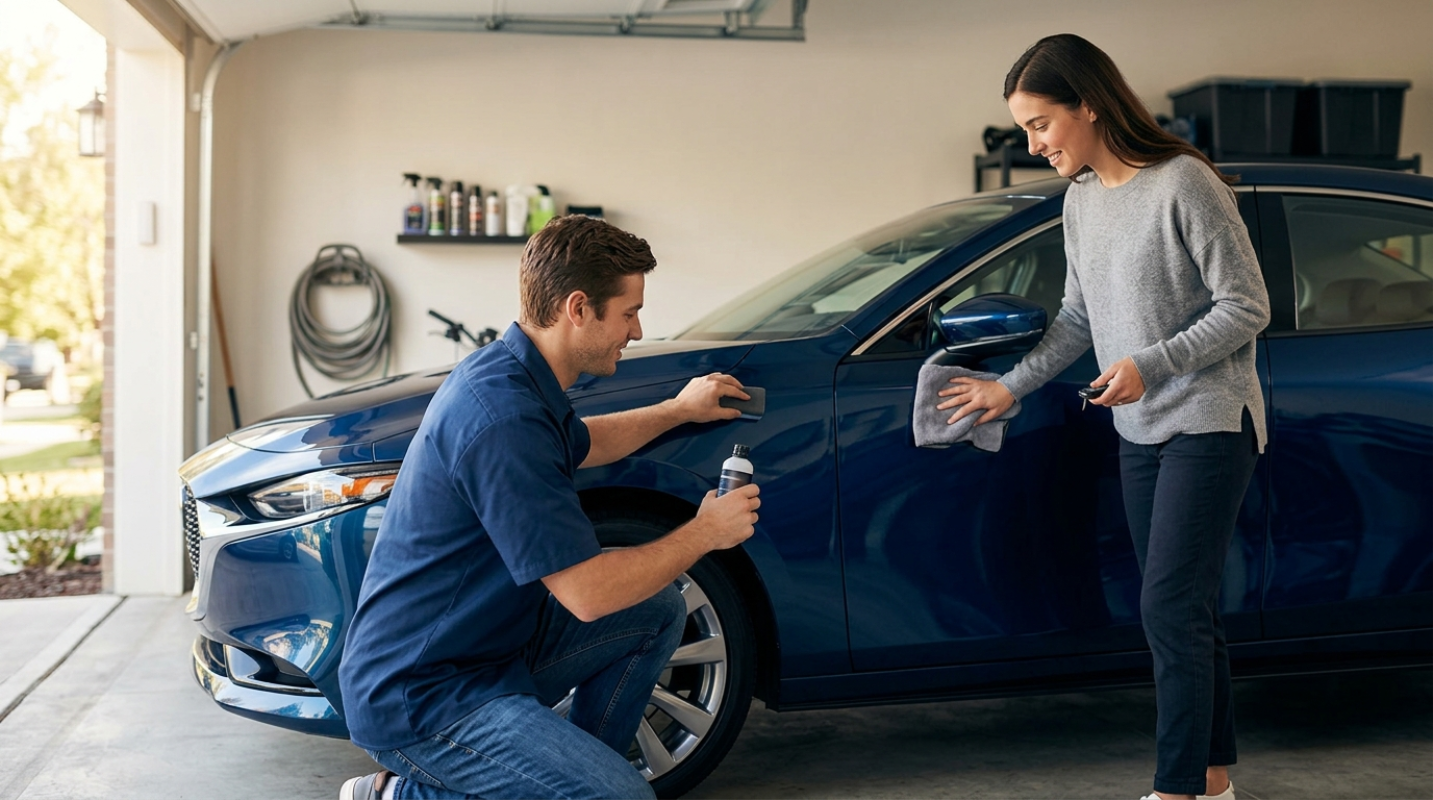
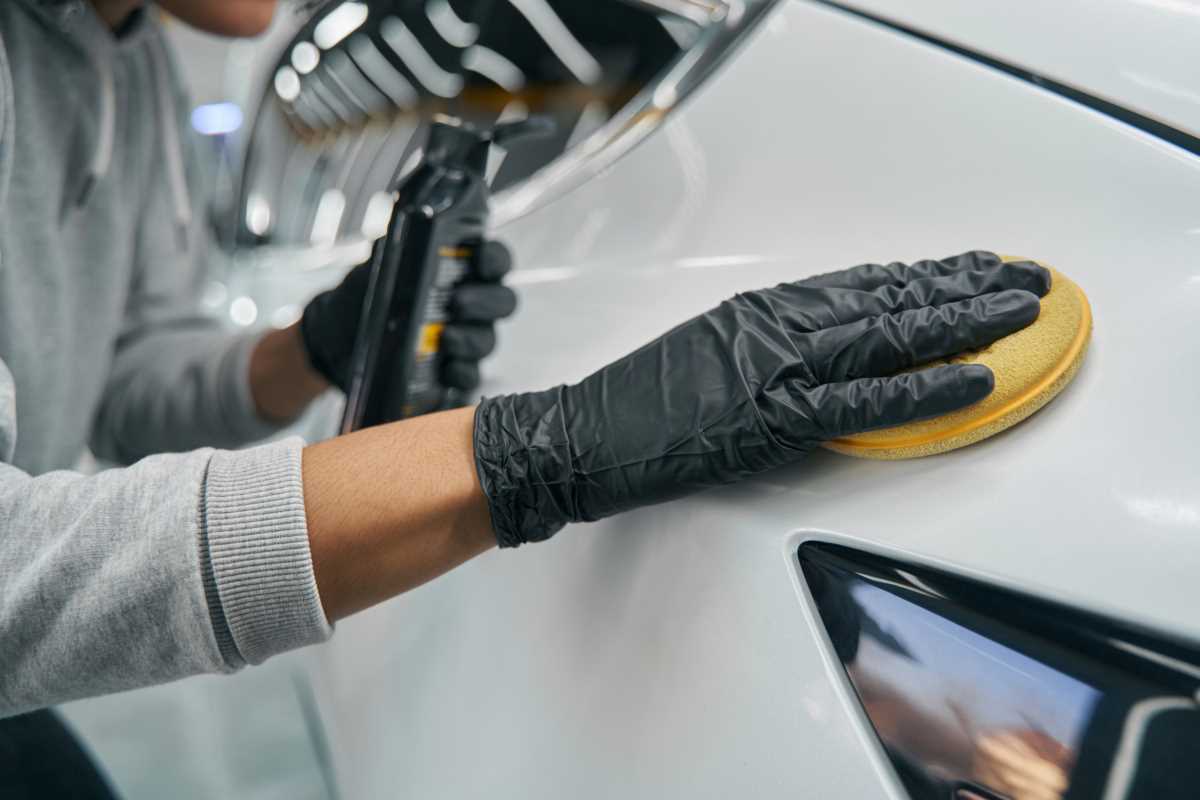
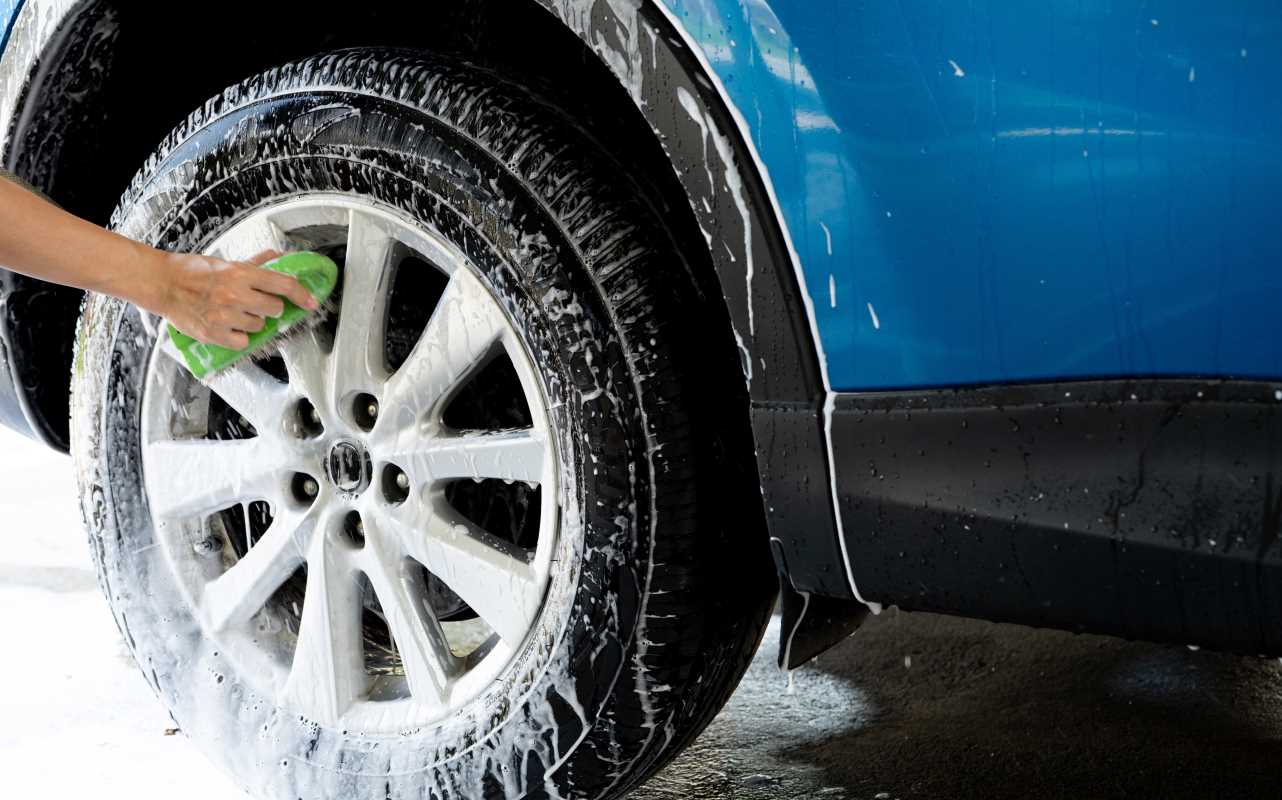
Washing your car is about more than just making it look nice. Regular washes remove dirt, bird droppings, and in the winter, road salt—all of which can eat away at your car's paint and lead to rust over time. A good coat of wax once or twice a year adds an extra layer of protection for the paint.
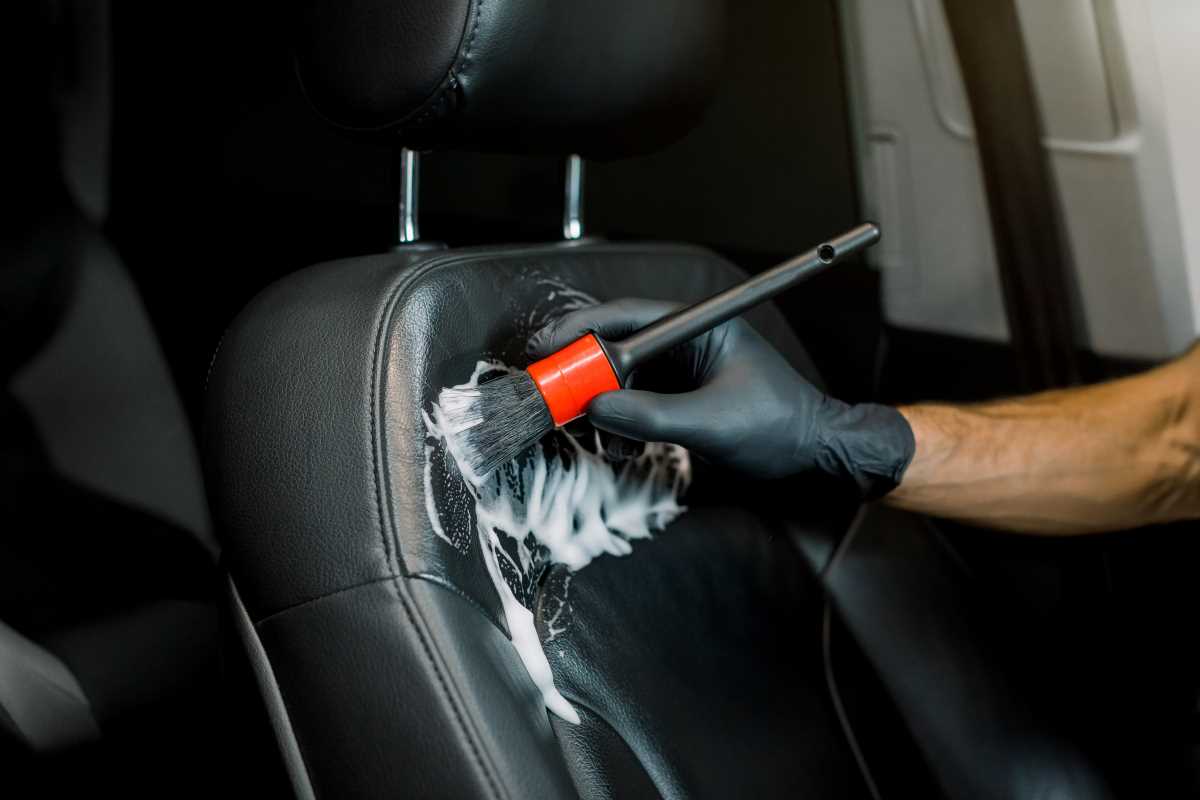
Don't forget the inside, either. Keeping the interior clean can prevent wear and tear on the upholstery and carpet. Vacuuming regularly removes dirt and small rocks that can act like sandpaper, breaking down the fabric fibers over time. A clean and tidy interior also makes for a more pleasant driving experience.