Have you ever watched several thousand dollars vanish into thin air? That is what happens when you drive a brand-new car off the dealership lot. Many drivers accept this loss as an inevitable tax on car ownership, but treating it as unavoidable is a mistake.
According to data from AAA, depreciation is the single largest expense of owning a vehicle, making up about 38% of your total ownership costs.¹ On average, your shiny new ride loses about 10% of its value in just the first few weeks. By the end of the first year, you are looking at a 20% drop, which ballooned to a painful 40% to 60% loss over five years.
So what does this actually mean? It means your car is not just a tool to get you from point A to point B. It is a depreciating financial asset that requires active management.
Recent market data highlights how volatile this environment has become. The 2025 Vehicle Depreciation Report by Black Book and Fitch Ratings showed a steep 15% market-wide depreciation rate, driven by high interest rates and changing buyer habits.²
But here is the good news: you are not powerless. The decisions you make on day one, from your choice of engine to your daily driving habits, dictate how much of your hard-earned money you get back when it is time to sell.
The Psychology of Depreciation: Why Start Now?
Value preservation is all about human psychology. When a buyer looks at a used car, they are looking for clues about how the previous owner treated it. A clean interior and a stack of service records tell a story of careful ownership.
If you wait until you are ready to sell to start caring for your car, you have already lost the battle. Stains have set, paint has oxidized, and maintenance gaps have been recorded on vehicle history reports.
By adopting a preservation mindset from the moment you sign the papers, you protect your investment. You make sure that when a future buyer inspects your car, their first impression is a lot more positive.
The Daily Ritual: Preservation Over Repair
Think of your car's cabin as a living room on wheels. If you let dirt, coffee spills, and food crumbs settle into the carpets, you are slowly burning money. Consistent interior maintenance is far easier than trying to reverse years of neglect right before you list the car for sale.
You can easily protect your cabin by establishing a few simple habits from the very first drive
• All-weather floor mats: Invest in high-quality, custom-fit rubber mats to shield the factory carpets from mud, water, and spilled drinks.
• Seat covers: Use fitted covers, especially if you have pets or young kids who are prone to making messes.
• A strict cabin policy: Ban smoking entirely, as smoke odor is almost impossible to remove and drastically cuts your trade-in value.
• Food limits: Keep messy meals out of the car to avoid permanent grease stains and lingering smells.
Have you ever stepped into a used car that smelled like stale fast food and old cigarettes? You probably wanted to run away. Used-car buyers feel the exact same way, and they will pay a premium to avoid it.
Mastering the Service Log: Your Proof of Care
When you sell a car, you are not just selling metal and rubber. You are selling peace of mind. The absolute best way to give a buyer confidence is to present a flawless, organized service history.
A vehicle with a fully documented service log can command a 10% to 15% premium over an identical car with missing paperwork. It removes the buyer's fear that you skipped oil changes or ignored important engine issues.
To build a bulletproof record, follow these steps
1. Keep a physical folder in your home for every single oil change, tire rotation, and brake replacement receipt.
2. Ask your mechanic to log every service to national databases like CARFAX or AutoCheck.
3. Stick strictly to the manufacturer-recommended maintenance schedule in your owner's manual.
4. Use a simple spreadsheet or mobile app to log dates, mileage, and services for quick digital sharing.
Exterior Defense: Fighting the Elements
First impressions dictate the final sale price. If a buyer spots faded paint, rusted scratches, or door dings, they will immediately use those flaws to negotiate a lower price.
Protecting your car's exterior requires a proactive defense against the sun, rain, and road debris
• Smart parking: Park in a garage or under a carport whenever possible. If you must park outside, avoid parking under sap-dripping trees or where birds gather.
• Sunshades: Use a reflective windshield sunshade when parking in direct sunlight to protect your dashboard from cracking.
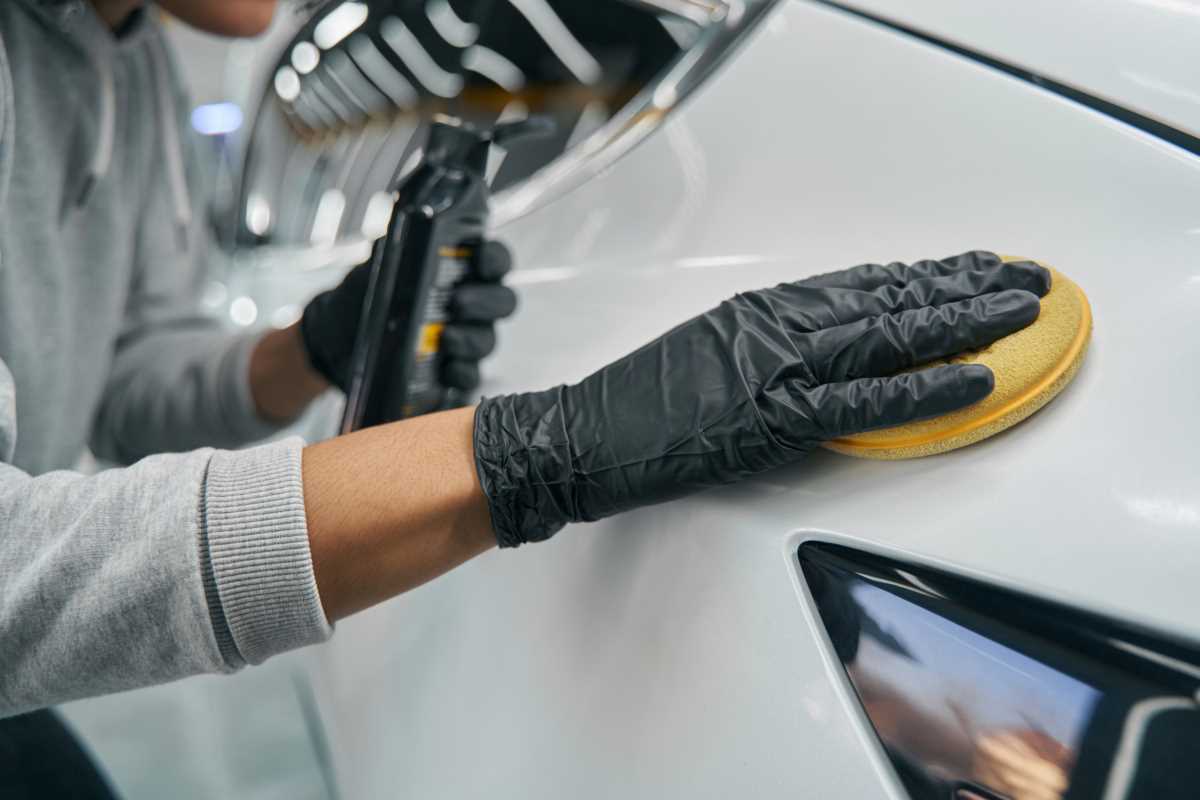
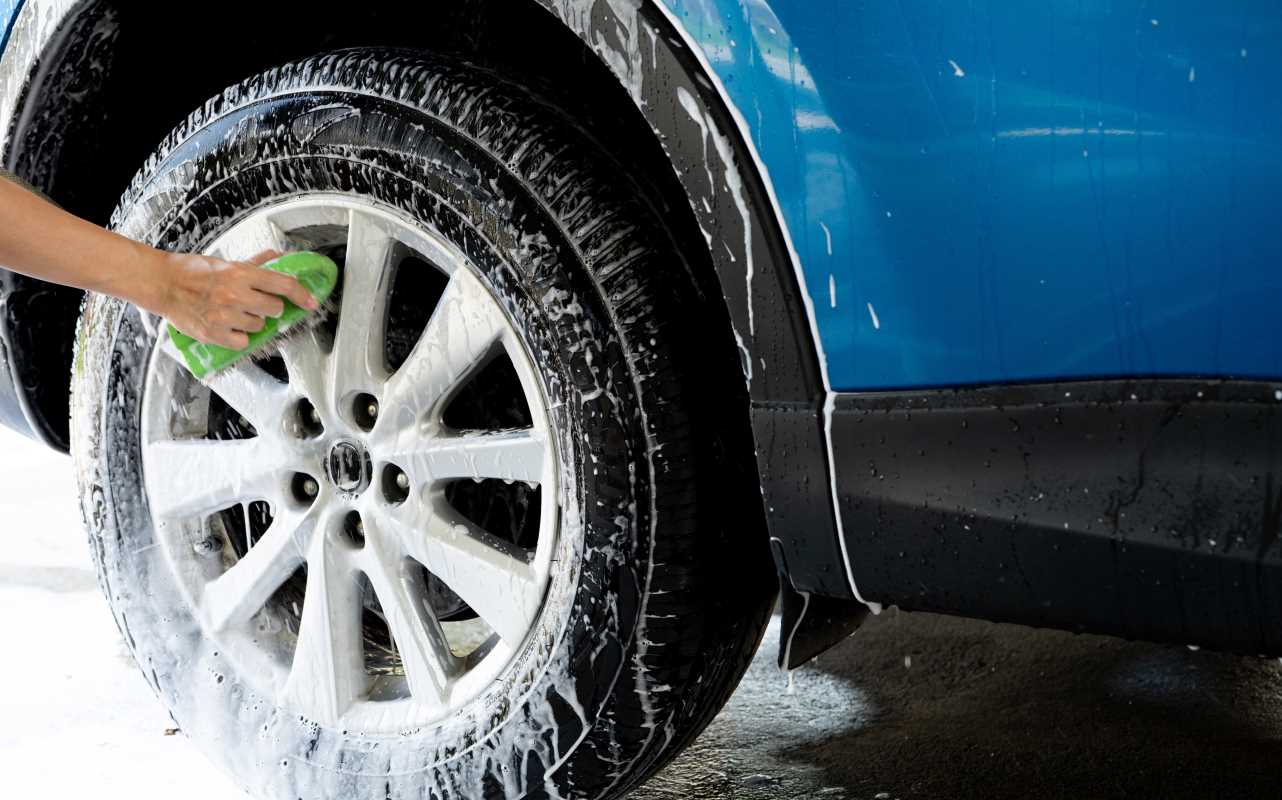
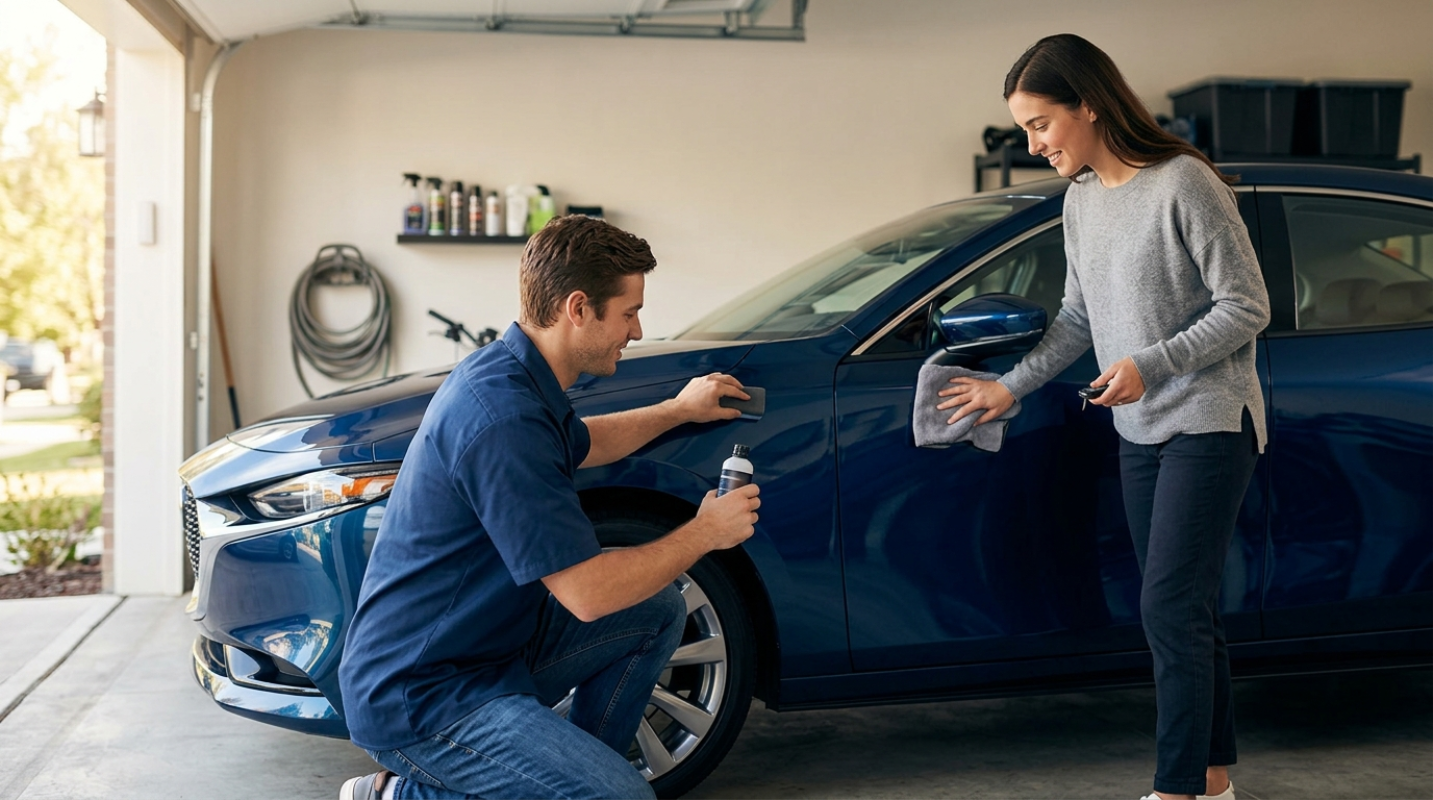
• Regular washes: Wash your car every two weeks and apply a high-quality wax or ceramic coating twice a year to shield the factory paint.
• Immediate scratch repair: Touch up paint chips and windshield stars immediately before moisture gets in and creates rust or cracks.
Smart Upgrades vs. Value Killers
It is tempting to personalize your new ride. You might want to install a louder exhaust, a lift kit, or custom blacked-out wheels. But you must remember that your personal taste might be a future buyer's nightmare.
The golden rule of car resale is simple: keep your vehicle as close to factory condition as possible. Niche aftermarket modifications narrow your pool of potential buyers. Dealerships hate them too, because they signal that the vehicle might have been driven hard or modified incorrectly.
If you do decide to upgrade certain components, keep the original factory parts in your garage. That way, you can easily revert the vehicle back to stock before you list it for sale.
Top Recommendations for Retaining Value
To get the absolute best return on your investment, you need to make smart choices from the moment you select your vehicle.
Let's look at how different vehicle choices perform over a five-year period based on data from iSeeCars and Zutobi:³
• Powertrain choices: Hybrids are the safest financial bet, losing only 41% of their value over five years.³ Electric vehicles are the fastest depreciators, losing an average of 59% of their value due to rapid battery advancements and government rebate effects.⁴ Trucks also perform exceptionally well, losing around 40%, while luxury SUVs plunge by 56%.³
• Color selections: Grayscale colors like white and black are common, which means they face fierce competition on the used market. White loses 32.1% of its value over three years, while black loses 31.9%.⁵ Yellow is the king of resale, losing only 24% of its value over three years because of its rarity and high enthusiast demand.⁵
• Model choices: High-demand models like the Porsche 911 lose only 20% of their value over five years, and the Toyota Tacoma loses just 26%.³ On the other end, luxury models like the Jaguar I-Pace lose up to 72% of their value, largely because used-car buyers are practical and want to avoid high luxury maintenance costs.
As Karl Brauer, executive analyst at iSeeCars, notes, used buyers are much more bottom-line practical and don't want to waste money on expensive upkeep.
The Final Stretch: Preparing for a Smooth Sale
When the time finally comes to sell or trade in your car, your early preparation will pay off. But you still need to execute the final steps correctly to get the most from your return.
Start by investing in a professional detailing service right before you list the vehicle. A deep clean that restores the paint's shine and makes the interior smell like new can easily add a thousand dollars to your asking price.
Next, gather all your original documents. Modern smart key fobs are highly advanced computers, and replacing a lost one can cost anywhere from $300 to over $1,000 at a dealership. If you trade in your car with only one key, the dealer will deduct that replacement cost directly from your offer. Keep your owner's manual and original window sticker safe from day one.
Finally, present your complete service log proudly. Tell the buyer the story of how you cared for the car from the moment you drove it home. When you show that you treated the vehicle as a valuable asset, buyers will gladly pay top dollar for the peace of mind you are offering.
Sources:
1. AAA - Minimize Car Depreciation
https://mwg.aaa.com/via/car/minimize-car-depreciation
2. Black Book - 2025 Vehicle Depreciation Report
https://www.blackbook.com/2025-vehicle-depreciation-report-released-by-black-book-and-fitch-ratings/
3. Zutobi - Motoring Depreciation Report
https://zutobi.com/us/driver-guides/motoring-depreciation-uk-and-us-report
4. Recharged - Electric Car Depreciation Rate by Model
https://recharged.com/articles/electric-car-depreciation-rate-by-model
5. iSeeCars - Car Color Study
https://www.iseecars.com/car-color-study
*This article on cardivide.com is for informational and educational purposes only. Readers are encouraged to consult qualified professionals and verify details with official sources before making decisions. This content does not constitute professional advice.*