Few feelings match the sudden dread of turning your ignition key or pushing the start button, only to hear a weak groan followed by silence. We have all been there, and it almost always happens when you are running late for an important meeting or packing the trunk in the pouring rain. A dead battery brings your day to an instant halt.
Your car battery does far more than just crank the starter motor. In modern vehicles, it functions as the central power stabilizer for dozens of computers, sensors, touchscreens, and safety modules. If the battery cannot hold proper voltage, the rest of the car simply refuses to play along.
Recent roadside assistance data from AAA shows that emergency crews respond to around 27 million rescue calls a year, and roughly 7 million of those calls stem entirely from dead or failing batteries.¹ That accounts for more than a quarter of all roadside emergencies. The good news is that batteries rarely quit without warning. By learning what to watch for, you can replace a failing unit on your own schedule before you get stranded.
Recognizing the Common Signs of a Weak Battery
A dying battery leaves clues days or weeks before it completely gives up. Some of these symptoms are mechanical sounds you will hear, while others show up as strange electronic quirks on your dashboard.
• Sluggish engine cranking: If your starter motor sounds tired or turns over noticeably slower than usual, your battery is losing its punch. That classic dragging sound means the starter cannot draw enough amps to spin the engine freely.
• Auto start-stop disables itself: In newer cars, the automatic engine stop feature is often the very first warning system to signal trouble. The car’s computer monitors charge levels, and if battery capacity drops below roughly 75% to 80%, it shuts down start-stop functionality to preserve restarting power.²
• Phantom dashboard warning lights: Low system voltage during startup confuses digital sensors. If you see brief warning flashes for your anti-lock brakes, power steering, or stability control that vanish after driving, your battery voltage dropped below 10.5 volts during cranking.³
• Dimming lights and slow accessories: Power windows that creep up slowly, headlights that dim at idle, or ambient interior lights that flicker are clear signs that the electrical system is starving for steady current.
• Infotainment and digital resets: When voltage sags hard during an engine start, delicate memory modules drop offline. If your digital clock, radio presets, or Bluetooth pairings suddenly reset to default, your battery is struggling to maintain minimum voltage.
Understanding Typical Battery Lifespan
Most traditional car batteries last between 3 and 5 years under normal driving habits. But that timeline is not set in stone, and your local climate plays a massive role in how long your battery actually survives.
Many drivers assume freezing winter weather is the main culprit behind battery failure, but extreme summer heat does the real damage. Blistering under-hood temperatures accelerate chemical grid corrosion and evaporate liquid electrolyte inside the cells. A battery living in hot southern regions might only last 2 to 3 years. When winter arrives, the cold thickens engine oil and demands up to 50% more cranking power, which instantly finishes off an already damaged battery.
Your daily routine also dictates battery health. Modern cars carry between 50 and 100 electronic modules that draw a tiny amount of power even when parked. If you only take quick 10-minute trips to the corner grocery store, your alternator never runs long enough to replenish the energy used to start the engine. Over time, the battery stays chronically undercharged, leading to permanent chemical degradation.
Physical Inspections and What to Look for Under the Hood
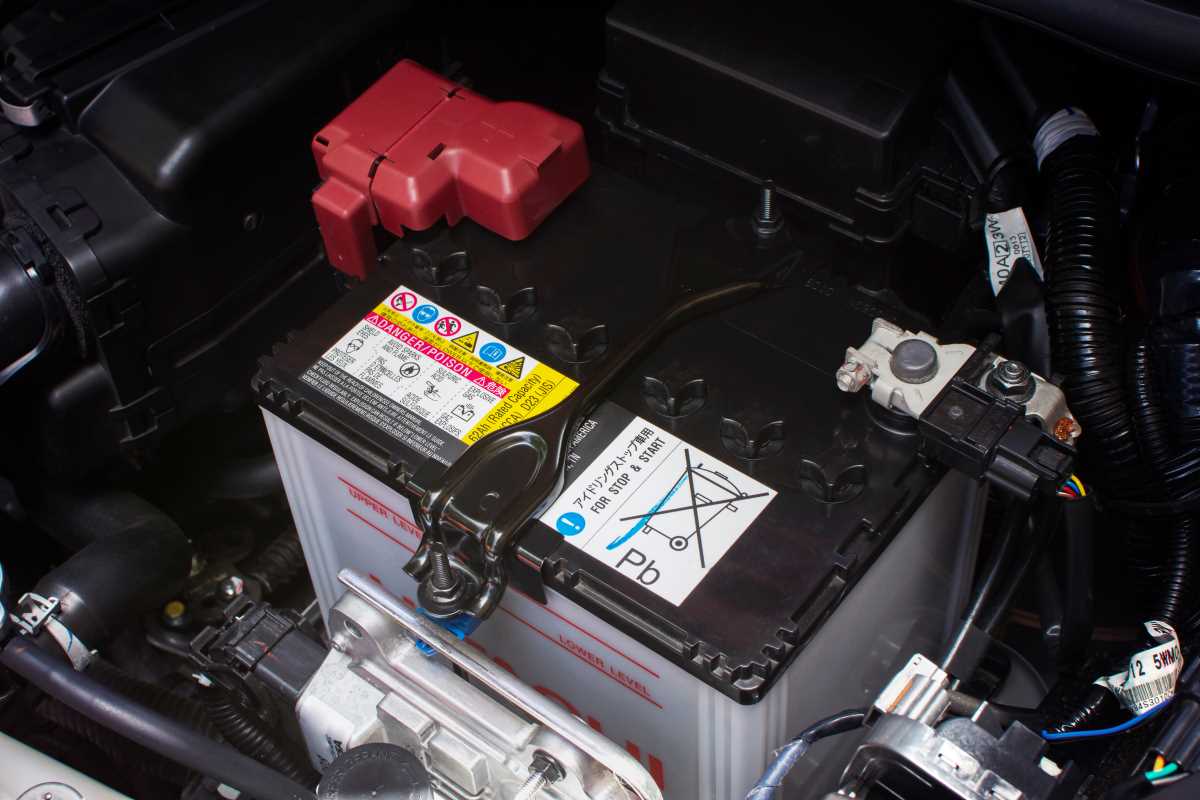
You do not need an engineering degree to perform a quick visual inspection every couple of months. Pop the hood while checking your oil and take a close look at the battery casing and connection points.
• Terminal corrosion: Look for crusty white, blue, or greenish powder accumulating around the metal posts. This buildup is caused by escaping hydrogen gas reacting with the lead terminals. It creates electrical resistance and prevents the alternator from charging the battery properly.
• A bloated or swollen case: Extreme heat exposure or an alternator that overcharges can cause a battery case to bulge on the sides. If your battery looks puffy or deformed, the internal plates have warped, and you need to replace it immediately.
• Rotten egg odor: A sharp sulfur smell around the engine bay usually points to a battery that is venting toxic hydrogen sulfide gas. This happens when an internal short develops or when an alternator boils the liquid acid inside.
• Loose mounting brackets: Batteries must sit securely in their trays. Excessive engine vibration rattles the internal lead plates apart, causing sudden internal failure. Make sure the hold-down bracket remains snug.
Testing and Replacement Steps That Work
If your battery is more than 3 years old, testing it removes the guesswork. You can test resting voltage at home with an inexpensive digital multimeter set to direct current volts (DCV). Let the car sit parked overnight so the surface charge wears off.
Touch the red multimeter probe to the positive terminal and the black probe to the negative terminal. A healthy battery will read between 12.6 and 12.8 volts. A reading between 12.2 and 12.4 volts means the battery is around 50% discharged, while anything below 12.0 volts indicates a severely depleted battery that likely holds internal damage.
For a true health check, ask a local shop or auto parts retailer to hook up a digital conductance tester. These handheld devices send a small signal through the battery to measure internal resistance and available cold cranking amps. They give you a definitive percentage of remaining battery health in seconds.
When picking a replacement, never downgrade. If your car came equipped with an Absorbent Glass Mat (AGM) battery from the factory, do not install a cheaper standard flooded battery. Modern charging systems and start-stop tech will destroy a standard flooded battery in less than a year.
Keep in mind that many modern vehicles from makers like Ford, BMW, and Audi require battery registration using an OBD-II scan tool after replacement. The car needs to reset its charging algorithms so it treats the new battery properly instead of overcharging it. Electric vehicle owners should remember their cars still rely on a 12-volt auxiliary battery to power the main computers and safety circuits. If that small battery dies, the entire EV will not power on.
Drive With Confidence
Car batteries quietly handle immense electrical strain every time you hit the road. Waiting for total failure leaves you stuck in a parking lot, waiting on a tow truck, or hunting for someone with jumper cables.
Adopt a simple rule of thumb: once your battery crosses the 3-year mark, get it tested at every routine oil change. If an older battery dies without a clear reason, like leaving the headlights on all night, avoid jumping it repeatedly. Replacing an aging battery proactively costs far less than an emergency tow and gives you total peace of mind every time you push the start button.
Sources:
1. AAA Newsroom
https://newsroom.acg.aaa.com/aaa-reminds-vehicle-owners-to-prepare-for-fall-and-winter-il-in/
2. Exor Battery
https://www.exor-battery.com/signs-to-look-out-for-before-the-failure-of-auto-startstop-battery.html
3. AAA Auto Repair Articles
https://www.aaa.com/autorepair/articles/know-when-to-replace-the-car-battery-8-key-warning-signs