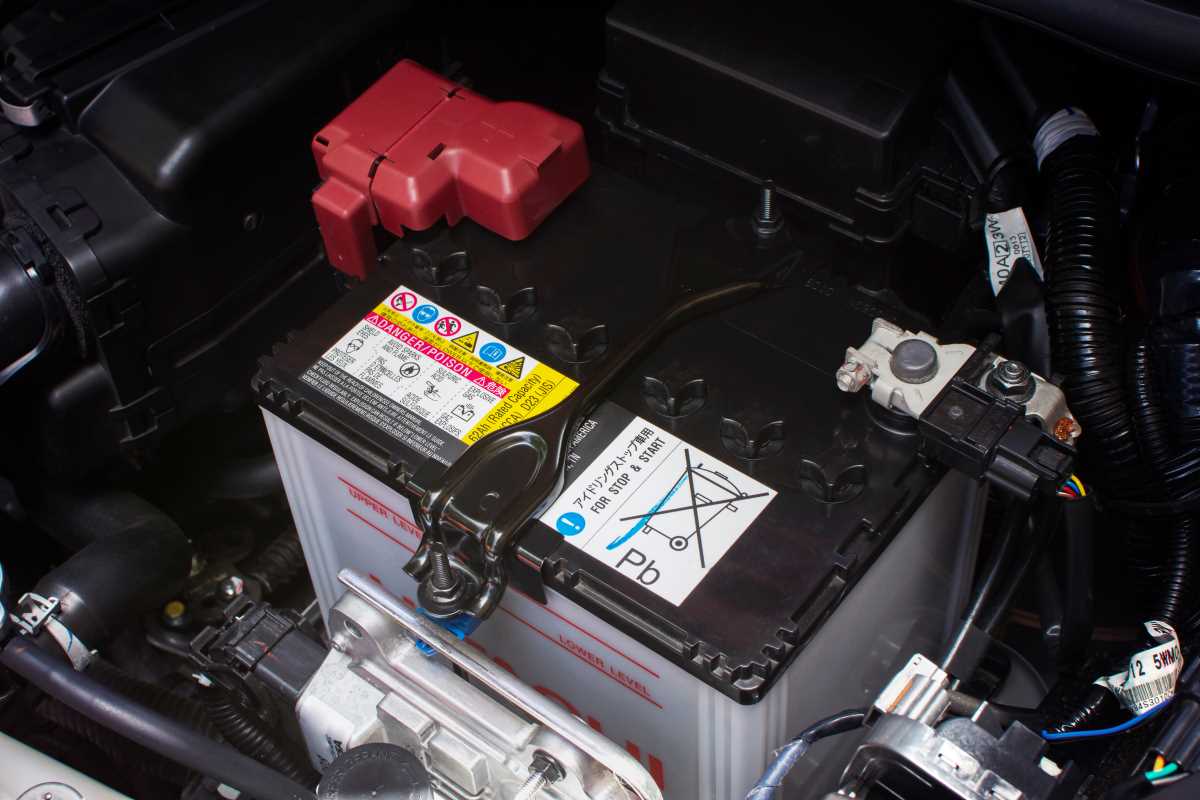
Pop the hood of your car, and you are staring at thousands of metal parts moving against each other thousands of times every minute. Between those metal surfaces sits a microscopic film of oil. That thin layer of fluid keeps your engine from welding itself into an expensive boat anchor.
Yet, many drivers treat motor oil like an afterthought. You might wait for a dashboard reminder to pop up, or simply trust a quick-lube sticker on the windshield. Taking control of your car maintenance starts with understanding what that amber fluid is actually doing, how to check it, and when to swap it out.
Why Engine Oil is the Lifeblood of Your Vehicle
Think of engine oil as a multipurpose shield. It handles three distinct jobs every second your car is running
• Lubrication: Oil creates a slippery barrier between pistons, camshafts, and cylinder walls so metal never grinds directly against metal.
• Cooling: Although your radiator cools the outer engine block, oil travels deep into the hottest internal combustion zones to pull heat away from important components.
• Cleaning: Detergents suspended in the oil trap soot, dirt, and microscopic debris, carrying them straight to the filter before they can scratch polished metal surfaces.
When oil ages, its chemical additives break down, and it collects contamination. Old oil turns into thick black sludge. Friction skyrockets, operating temperatures soar, and internal clearances wear down. Neglecting your oil is the fastest route to blown gaskets, warped pistons, and catastrophic engine failure. Staying on top of basic oil checks gives you confidence behind the wheel and keeps thousands of dollars in your pocket.
Mastering the Art of Checking Oil Levels
Checking your oil takes two minutes. Getting an accurate reading requires following a few simple steps.
First, park your vehicle on level ground. If you are parked on an incline, the oil pools away from the dipstick tube and gives you a false reading. Turn off the engine and let it rest for a few minutes so the oil drains back down into the oil pan.
Grab a clean rag or paper towel and follow this sequence
1. Pull the dipstick all the way out of its tube.
2. Wipe the blade completely clean with your rag.
3. Slide the dipstick all the way back into the tube until it clicks or seats firmly.
4. Pull it back out smoothly and inspect the tip.
Look at the oil level relative to the two indicators at the bottom. These might be crosshatched zones, two small holes, or marks labeled "MIN" and "MAX." The gap between the bottom mark and the top mark usually represents one quart of fluid. If the level rests below the bottom mark, add half a quart of the correct oil immediately and recheck.
Pay attention to color and clarity, too. Fresh oil is amber and translucent. As it works, it turns dark brown or black, which simply means the detergents are doing their job. But if the oil looks milky or resembles a chocolate milkshake, stop driving. That indicates coolant is leaking into your crankcase.
Are you driving a newer vehicle without a dipstick? Many recent models, including luxury European brands and modern domestic trucks, have eliminated the physical dipstick tube. Instead, they use digital ultrasonic sensors wired to the infotainment screen. You typically check these by parking on level ground, letting the engine reach normal operating temperature, and navigating to the vehicle status screen while idling.
Do not assume a modern engine never loses oil between services. Today's engines run low-tension piston rings and direct injection to get the most from fuel economy. As a result, burning up to one quart every 1,000 to 2,000 miles is considered completely acceptable by several major automakers.¹ If you drive 8,000 miles between changes without checking, your engine could run dangerously low. Make a habit of checking your oil once a month or every 1,000 miles.
Demystifying Oil Change Intervals
The old advice to change your oil every 3,000 miles is outdated. Modern motor oils and precision engines have moved far past that rule of thumb.
Most contemporary vehicles operating on full synthetic oil specify oil change intervals between 7,500 and 10,000 miles under normal driving. But there is a catch that catches millions of drivers off guard. Automakers define "normal" and "severe" driving, and roughly 80% of drivers actually fall into the severe category.
Severe driving conditions include
• Frequent short trips under five miles
• Stop-and-go commuting in heavy traffic
• Driving in freezing weather or extreme summer heat
• Regular towing, hauling, or carrying heavy roof cargo
Short trips prevent your engine from reaching full operating temperature, which means trapped condensation and unburned fuel never evaporate out of the crankcase. That turns the oil acidic. If you commute in the city, cut your interval back to 5,000 miles or six months.
What if you barely drive at all? Always follow the 12-month calendar rule. Even if your car only covers 2,000 miles in an entire year, change the oil annually. Additive packages degrade over time, and ambient moisture accumulates inside the crankcase regardless of mileage.
Also, do not blindly trust your vehicle's Oil Life Monitor (OLM). Most digital oil-life percentages calculate oil degradation using software algorithms based on engine revolutions, temperatures, and run-time. The system cannot detect the actual oil volume. Your dashboard could say you have 60% oil life remaining while your engine is two quarts low on fluid.
Choosing the Right Motor Oil for Your Engine
Walking down the oil aisle can feel a lot with all the numbers and certifications. Let's break down what actually matters.
The bottle's viscosity grade, like 0W-20 or 5W-30, describes how the fluid flows. The number before the "W" (which stands for Winter) indicates how easily the oil pumps in cold temperatures. The second number indicates how thick the oil remains at full engine operating temperature (212°F). Never guess your viscosity. Use the exact weight printed on your oil cap or in your owner's manual.
Next, choose your oil type
• Full Synthetic: Synthesized in laboratories to create uniform molecular structures. In standardized ASTM testing, synthetic oil outperformed conventional oil by an average of 47% in shear stability, deposit control, and cold-flow performance.² It resists breakdown under extreme turbocharger heat and flows instantly during cold starts.
• Synthetic Blend: A mix of conventional mineral base and synthetic oil. It offers better thermal protection than conventional fluid at a budget-friendly price.
• Conventional Oil: Refined crude mineral oil. It is largely obsolete for modern passenger vehicles and struggles to protect high-heat turbocharged engines.
Keep an eye out for industry certification stamps. The American Petroleum Institute sets modern engine protection standards. The newest standard, API SQ and ILSAC GF-7, protects against Low-Speed Pre-Ignition (LSPI) in modern turbocharged direct-injection engines while reducing timing chain wear.³ Always make sure the bottle shows the latest API service doughnut.
DIY vs Professional Service: Making the Right Choice
Deciding whether to change your oil on your driveway or visit a professional shop comes down to your personal comfort, tools, and available time.
Changing your own oil is deeply satisfying. You know the job was completed carefully, you pick the exact filter and oil brand going into your car, and you save on labor costs. But you need the right gear: a quality floor jack, sturdy jack stands, a drain pan, and filter wrenches. Safety is paramount. Never slide under a car supported solely by a hydraulic jack.
You also have to handle cleanup. Used motor oil is toxic and contains heavy metals. Pour your used oil into a sealed plastic container and take it to an auto parts store or municipal recycling center. Never pour oil down a drain or onto the ground.
If you choose a professional shop, avoid the aggressive upselling at quick-lube chains. Stick to trusted independent mechanics or dealership service centers that use the factory-recommended fluid specs. Whichever route you take, keep a clean paper trail. Log the date, mileage, and receipts for all oil and filter purchases in your glovebox. Accurate maintenance records protect your factory warranty and boost resale value when you decide to sell.
Sources:
1. When is Oil Consumption Considered Excessive?
https://www.bellperformance.com/blog/when-is-oil-consumption-considered-excessive
2. AAA Research Report: Synthetic vs. Conventional
https://newsroom.aaa.com/wp-content/uploads/2017/06/AAA-Research-Report-Synthetic-vs-Conventional_FINAL-EXTERNAL.pdf
3. What is GF-7 Motor Oil?
https://realtruck.com/blog/what-is-gf-7-motor-oil/