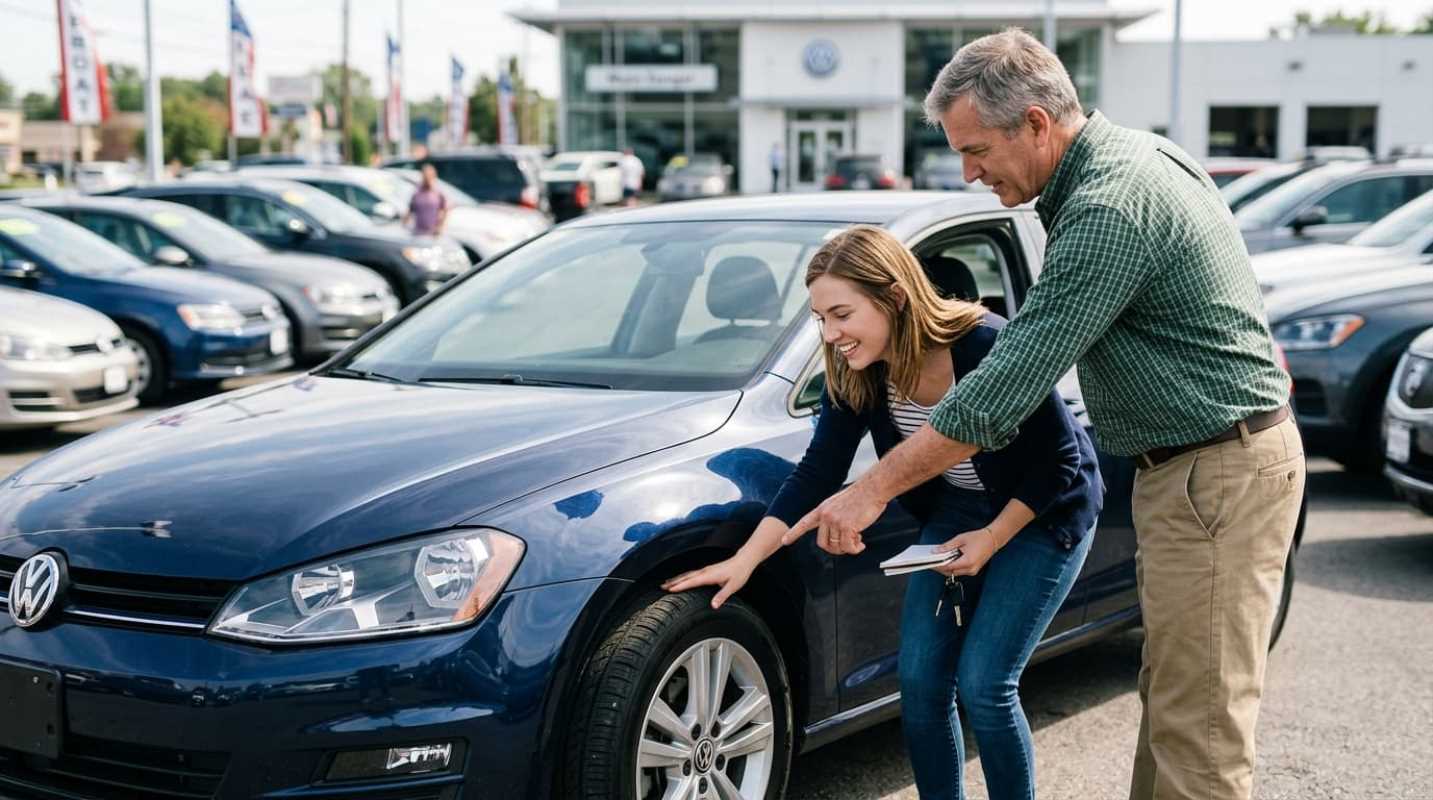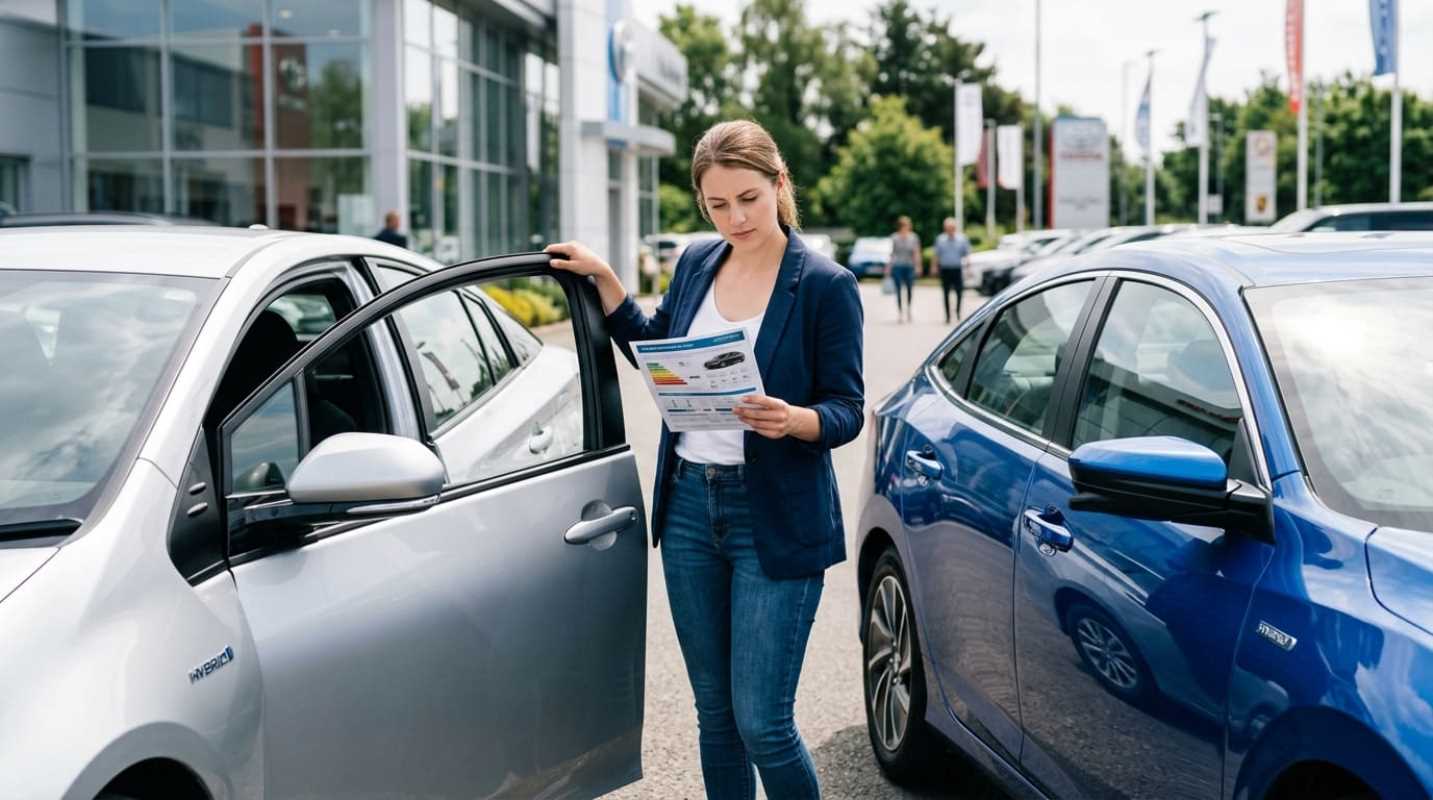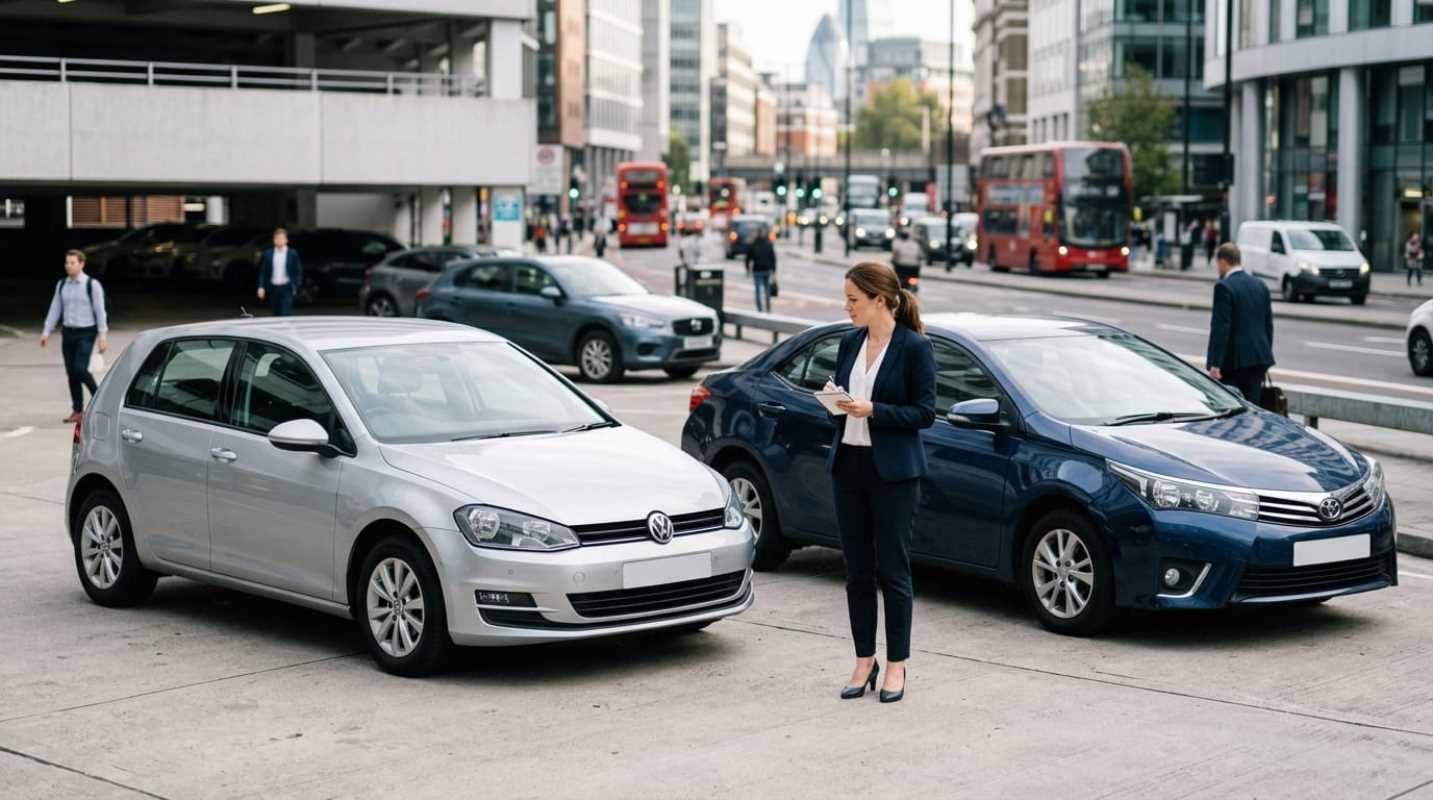
Few consumer experiences can match the feeling of walking onto a dealership lot and sliding behind the wheel of a brand-new car. That factory-fresh smell, the flawless odometer showing single digits, and the pristine touchscreen with its plastic film still intact pull hard on your emotions. It feels like an achievement.
Then your rational brain kicks in. You start thinking about monthly payments, insurance rates, and the brutal drop in value that happens the second those front tires roll across the dealership curb.
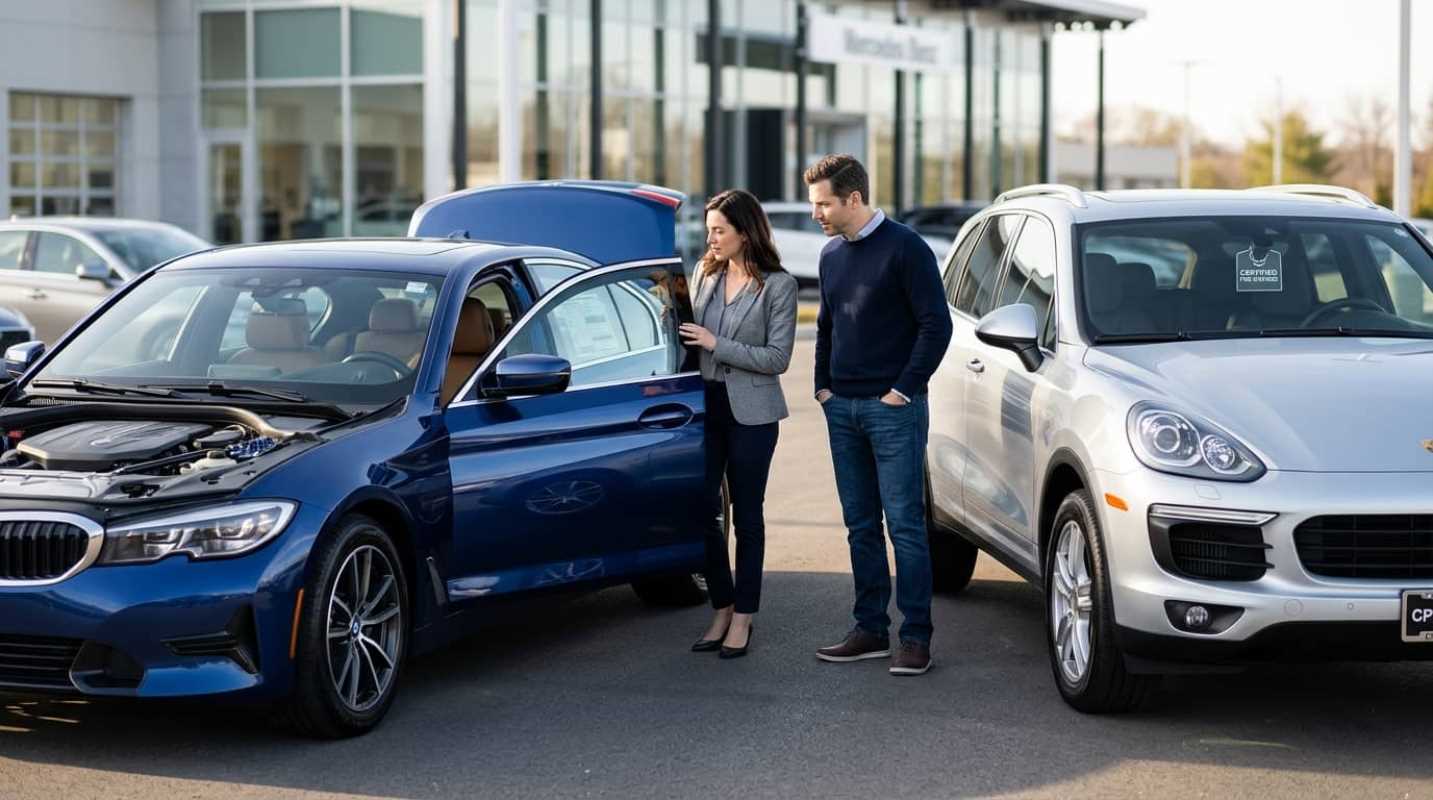
That mental tug-of-war brings thousands of shoppers directly to the certified pre-owned (CPO) lot. A CPO vehicle offers a middle path between an unpredictable used car and an expensive new one. You get late-model styling, factory-backed warranty protection, and rigorous inspections, but at a discounted price point.
So which option makes the most financial sense for your driveway in 2026? The smarter choice comes down to how you weigh upfront savings against long-term ownership goals.
Depreciation and the Financial Reality of Vehicle Value
Depreciation remains the single largest expense of car ownership during your first five years on the road, easily outstripping fuel, insurance, and routine maintenance.¹ When you buy a brand-new car, you absorb a steep financial drop. In fact, a new car loses between 9% and 11% of its value the minute you complete the purchase. By the end of year one, that loss deepens to 15% or 25%.
By year three, the vehicle hits what automotive analysts call the CPO sweet spot. Data from Edmunds shows that three-year-old off-lease vehicles typically retain around 66% of their original sticker price. That means a CPO buyer steps in right when the initial owner has swallowed a 34% drop in value.
Consider what this looks like in actual dollars:
• New car reality: Average new-car transaction prices hover between $47,000 and $50,000.
• The three-year CPO spread: The average transaction price for a three-year-old vehicle sits near $31,548, handing the CPO shopper an immediate discount of $15,000 or more.
• The flattening curve: Although the first owner experiences a steep vertical drop on the value graph, the CPO buyer enters where that curve flattens out, meaning you lose far less money year-over-year if you sell later.
The severity of this math depends heavily on what vehicle category you want. If you are shopping for luxury rides like a BMW 7 Series or Cadillac Escalade, buying CPO is almost a no-brainer. Many luxury models and electric vehicles lose 50% to 65% of their value within three to five years. By contrast, high-retention vehicles like Toyota Tacomas or Honda CR-Vs hold their value so well that buying CPO might only save you $2,500 over a brand-new model.³ In those segments, new is often the smarter route.
The Real Value of CPO Warranties and Rigorous Inspections
A standard used car is usually sold as-is. Once you drive it home, any blown gasket or electrical gremlin belongs to you. CPO vehicles eliminate that anxiety by introducing manufacturer-backed accountability.
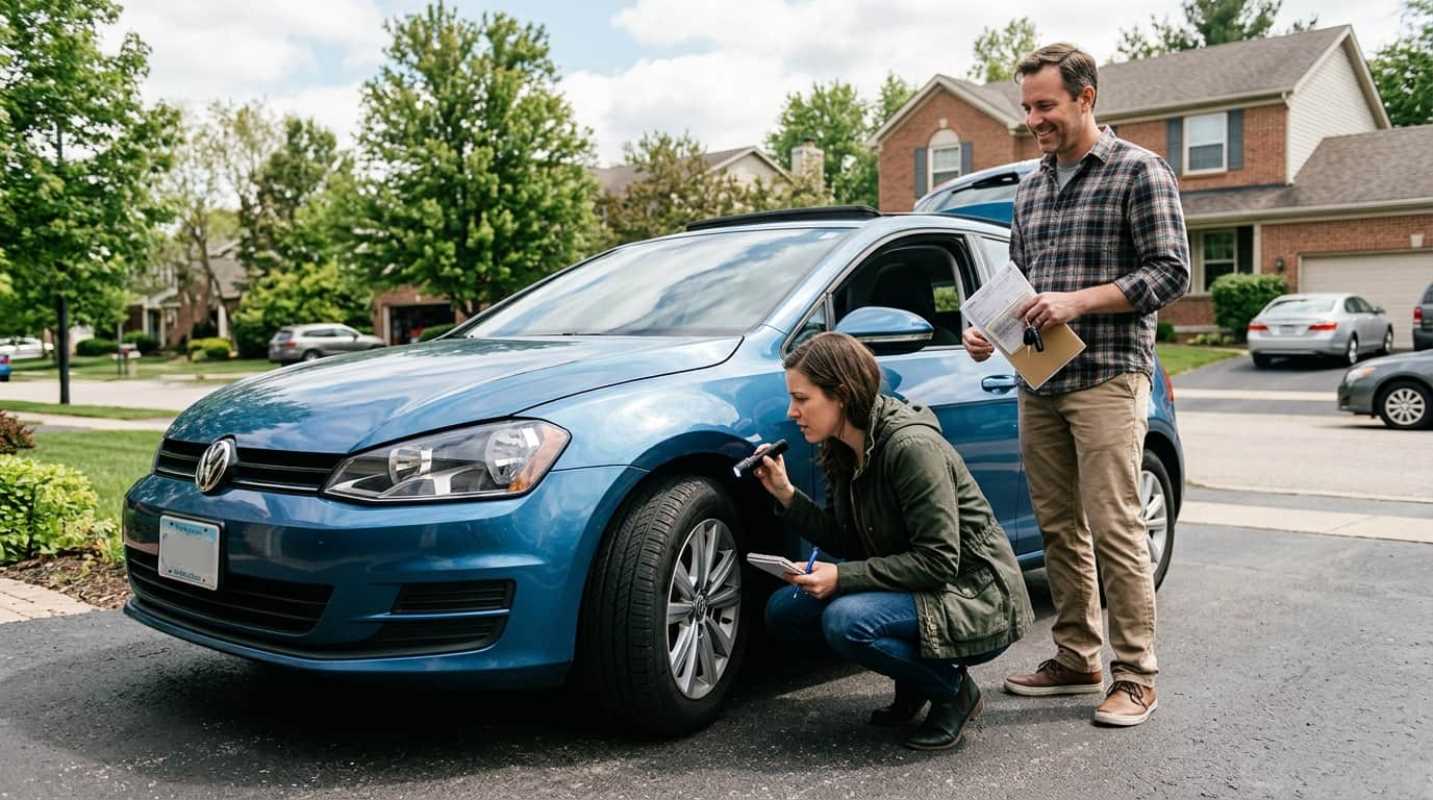
To earn certification, a vehicle must pass a detailed multi-point inspection conducted by factory-trained technicians. These inspections examine anywhere from 100 to 182 distinct mechanical, safety, and cosmetic points. Tires and brake pads must meet strict thickness minimums, and the vehicle history report must be free of major accident damage.
Dealerships charge a premium of $1,000 to $2,500 over an uncertified used car for this process, but the perks easily outweigh the cost.
• Lexus L-Certified: Offers two years of warranty coverage with unlimited mileage after the factory warranty expires, alongside two years or 20,000 miles of complimentary scheduled maintenance.
• Hyundai CPO: Reinstates the original 10-year or 100,000-mile powertrain protection, a benefit that regular used car buyers lose when purchasing from an independent party.
• HondaTrue Certified: Extends powertrain coverage to seven years or 100,000 miles from the original in-service date, includes roadside assistance, and adds two complimentary oil changes.
Financing adds another layer to this equation. Regular used car loans carry steep interest rates, often sitting between 11% and 12%. Because CPO inventory is supported directly by automaker finance arms, dealers frequently offer subsidized financing rates between 1.9% and 4.9% on select terms. That promotional financing can completely wipe out the initial CPO price premium across a typical loan term.
The Case for Buying New With Modern Tech and Custom Financing
Although CPO checks many practical boxes, buying brand new still holds undeniable advantages that go beyond emotional appeal.
The most obvious perk is complete control. When you buy new, you do not have to accept someone else's taste in interior trim or settle for an exterior color you dislike. You can factory-order the exact options, packages, and seating arrangements you need. There is also unmatched peace of mind in knowing the vehicle has zero history. You know every single mile on that engine and exactly how it was treated.
Technology moves quickly in modern cars. Buying a current-year model guarantees access to the latest driver-assistance software, improved battery range in electrified powertrains, and updated cabin interfaces. If you want the newest semi-autonomous highway driving aids or the most responsive touchscreen hardware, you will rarely find them on a three-year-old off-lease vehicle.
Automaker incentives also balance the equation. When manufacturers want to move new metal, they roll out zero-percent financing promotions, customer cash rebates, and favorable lease structures. If you can secure a 0% APR deal on a brand-new crossover, your total interest paid over five years will be zero, significantly narrowing the cost gap against a pre-owned alternative.
Top Recommendations for CPO and New Buyers
Whether you lean toward a fresh factory build or a certified off-lease deal, matching the vehicle segment to the right buying format saves you thousands.
• Midsize trucks and sports cars: Buy new. Models like the Toyota Tacoma and Porsche 911 hold their value stubbornly well, making CPO discounts minimal.³
• Luxury sedans and large luxury SUVs: Buy CPO. Let the first owner absorb the massive 50% hit during the initial three years of ownership.
• Mainstream family crossovers: Buy CPO off-lease. High leasing volume creates a steady flow of well-maintained three-year-old vehicles with low mileage.
Choosing the Right Vehicle for Your Lifestyle and Budget
A recent study by Cox Automotive found that 74% of shoppers consider CPO vehicles appealing, rivaling the 76% preference for brand-new cars.² Buyers want affordability, but they hate gambling on mechanical condition.
You should choose CPO if:
• You want a luxury badge without paying luxury depreciation.
• You want reliable factory warranty protection on a strict budget.
• You plan to finance and can secure promotional interest rates through captive automaker lenders.
You should buy new if:
• You plan to keep the vehicle for a decade or more, spreading that initial depreciation hit across many years.
• You demand the newest active safety features and infotainment technology.
• You are shopping in high-resale categories where used car discounts are almost nonexistent.
Both paths offer clear paths to dependable transportation. Take a hard look at your monthly budget, check the depreciation rates for your target model, and let the real numbers guide your decision.
Sources:
1. Diminished Value of Georgia
https://diminishedvalueofgeorgia.com/the-2025-car-value-depreciation-overview/
2. Cox Automotive
https://www.coxautoinc.com/insights/certified-pre-owned-vehicles-gain-traction-as-affordability-pressures-mount-but-shopper-understanding-lags/
3. iSeeCars
https://www.iseecars.com/cars-that-hold-their-value-study
*This article on Cardivide is for informational and educational purposes only. Readers are encouraged to consult qualified professionals and verify details with official sources before making decisions. This content does not constitute professional advice.*