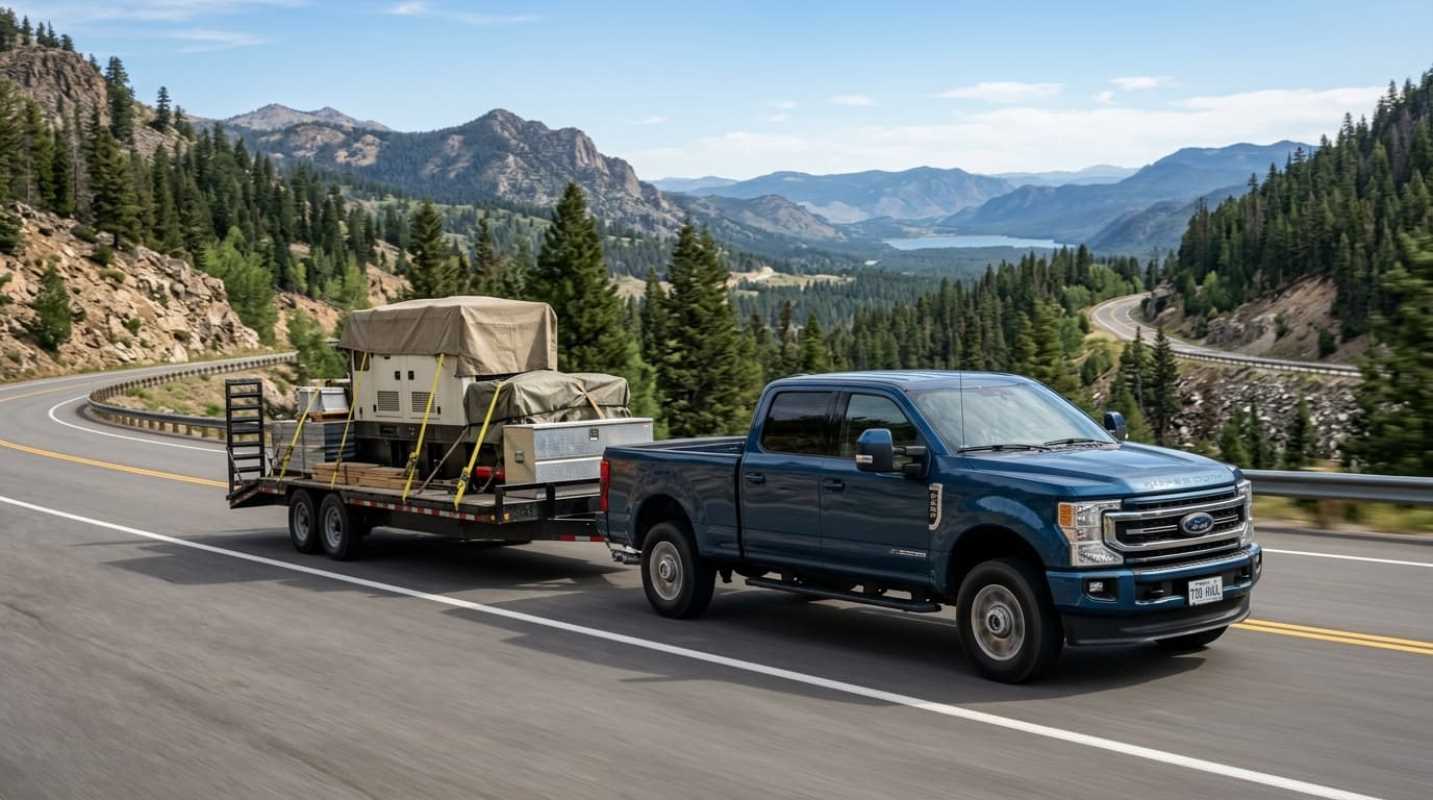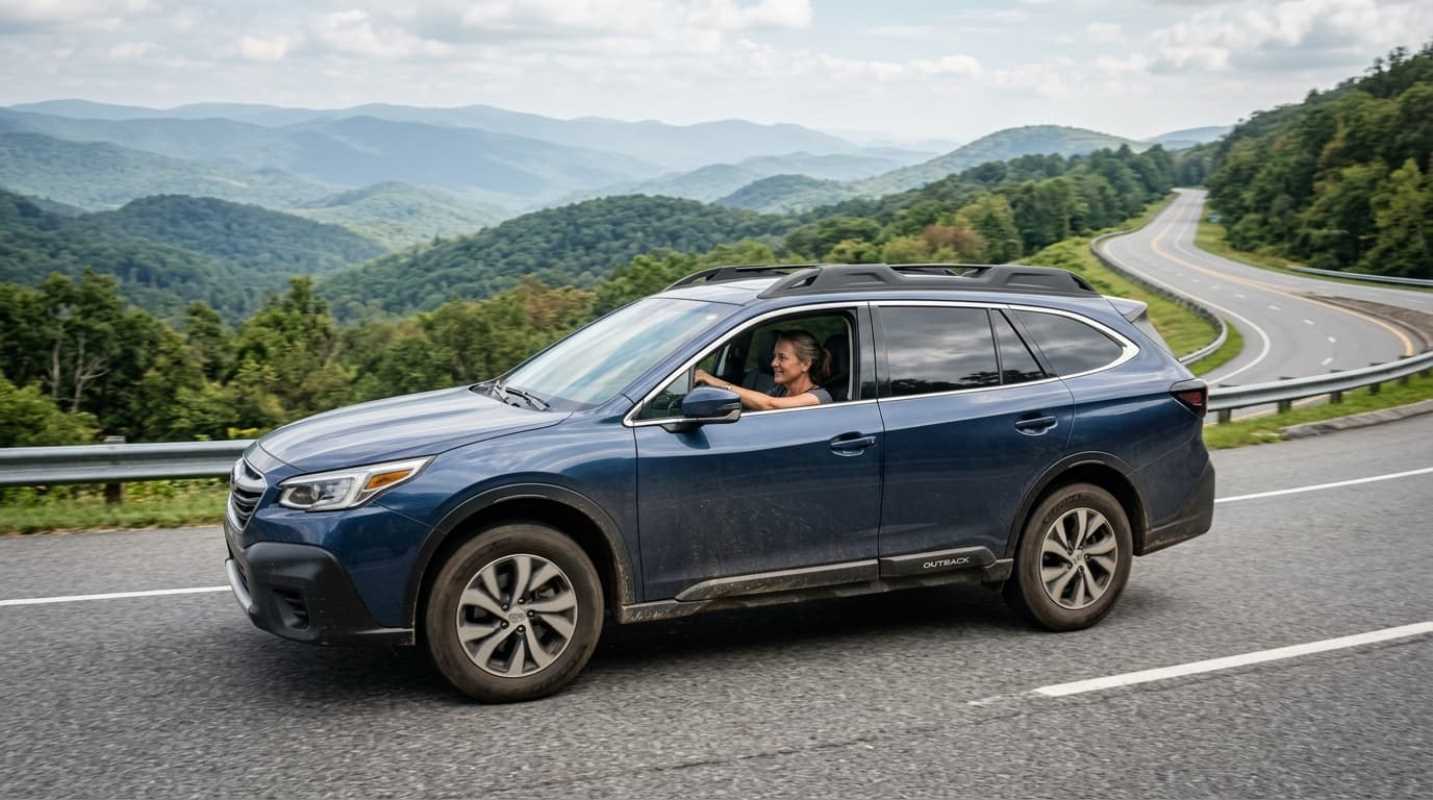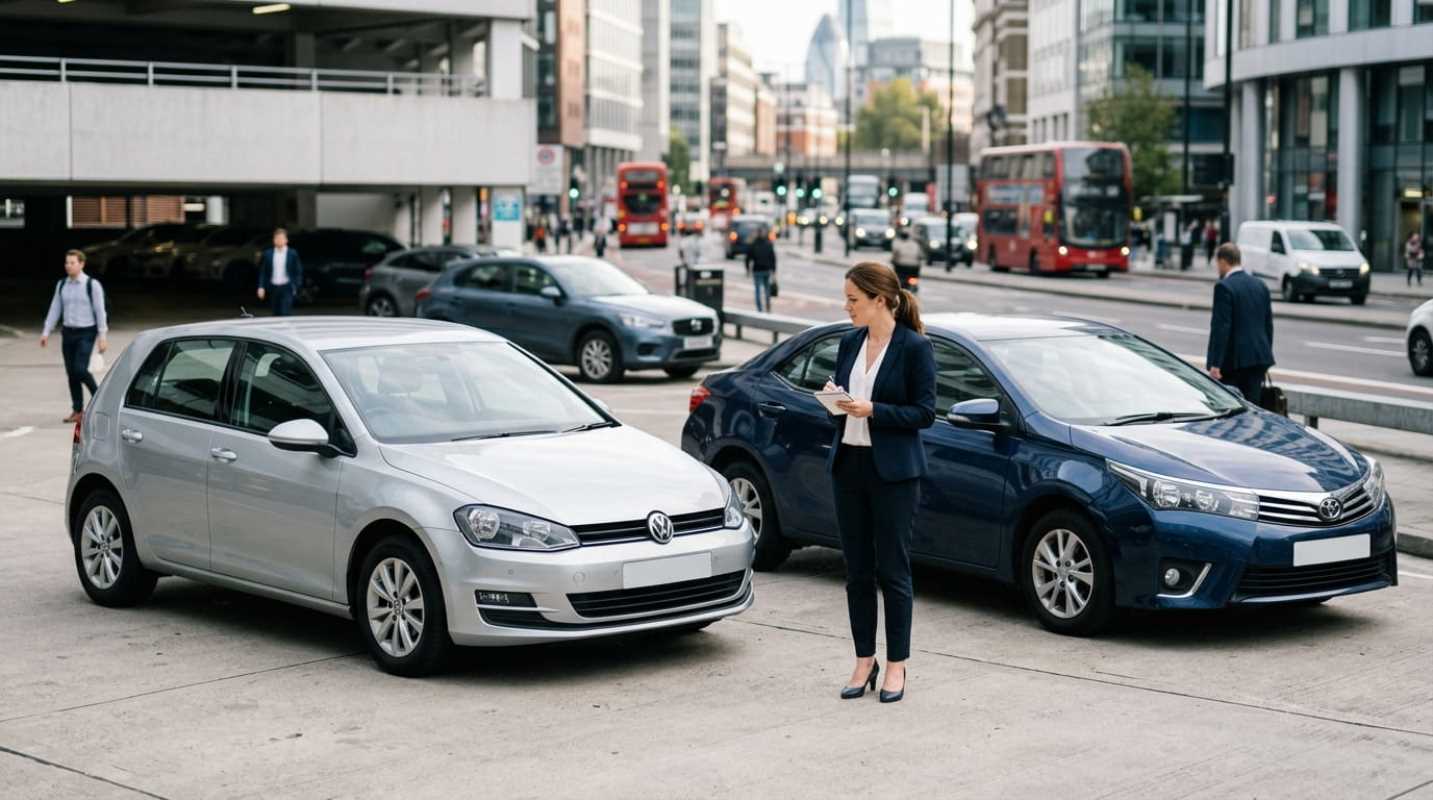
If you spend forty-five minutes crawling along a congested highway every morning, you already know the toll it takes. Traffic wears down your patience before your workday even begins. Your car seat digs into your lower back, the radio volume fights the loud drone of highway tires, and you watch the gas needle drop in real time.
Have you ever stopped to think about how much time you actually spend behind the wheel? For most working adults, the daily commute eats up hundreds of hours every year. Treating your vehicle like a simple appliance or chasing sporty vanity specs can turn that daily trip into a grind.
Choosing the right commuter car means looking past flashy marketing and horsepower figures. You want a vehicle that protects your wallet at the pump and keeps you calm when rush hour turns into a parking lot. When you choose the right model, your daily drive shifts from a stressful chore into a quiet, comfortable transition space.
Prioritizing Fuel Efficiency for Long-Term Savings
Fuel is often your largest ongoing variable expense. If you drive 15,000 miles a year, jumping from a vehicle that gets 25 miles per gallon to one that gets 50 miles per gallon cuts your fuel consumption right in half. Over five years of ownership, that difference puts thousands of dollars back into your bank account.¹
Choosing the right powertrain depends on how and where you drive
• Traditional hybrids: These remain the practical sweet spot for most commuters. Cars like the Toyota Prius deliver up to 57 MPG, while the redesigned Toyota Camry hybrid achieves between 51 and 53 MPG combined.¹ You get maximum efficiency in stop-and-go gridlock because regenerative braking recaptures energy every time you slow down.
• Electric vehicles: An EV makes tremendous financial sense if you have dedicated Level 2 charging at home. Models like the Tesla Model 3 and Hyundai Ioniq 6 deliver efficiency ratings exceeding 130 MPGe. If your daily round trip is under 200 miles, you wake up every morning with a full battery and bypass gas stations completely.
• High-efficiency gas engines: Pure gas engines usually make sense only if you have a short commute or a very tight upfront budget. Although modern compacts can hit 35 MPG on the open highway, they burn through fuel quickly the moment city traffic stalls.
The Non-Negotiables Comfort and Reliability
A car can deliver stellar gas mileage, but if the driver's seat hurts your spine after twenty minutes, you will grow to resent it. Ergonomic comfort is needed for your mental and physical health.
Look closely at seat engineering. Nissan developed its Zero Gravity seats using posture research to target 14 distinct pressure points along your spine.² Drivers consistently report far less hip and lumbar strain in these seats compared to standard budget car benches. Always look for eight-way or ten-way power adjustable seats that offer dedicated power lumbar support. Ventilated front seats are another game-changer, keeping your back cool and alert on sweltering summer afternoons.
Cabin noise levels matter just as much as physical cushioning. High-frequency tire hum and wind noise cause subconscious fatigue on long highway stretches. Look for vehicles with acoustic laminated windshields and side glass, which come standard on cars like the Honda Accord, Toyota Camry, and Tesla Model 3. A quiet cabin lets you take hands-free phone calls clearly or enjoy audiobooks without cranking the volume to deafening levels.
Modern driver-assistance systems also relieve daily stress. Adaptive cruise control with lane centering takes over tedious brake-and-gas pedal dancing in heavy traffic. Systems like Toyota Safety Sense 3.0 and Honda Sensing track the car ahead smoothly down to a complete stop.
Finally, do not overlook long-term dependability. Consumer Reports data reveals that conventional hybrid vehicles suffer 26 percent fewer problems than standard gas vehicles.³ Toyota, Lexus, and Subaru consistently lead brand dependability charts.³ J.D. Power studies highlight that in-cabin electronics and touchscreens generate double the complaints of any mechanical system. Pick cars with intuitive controls and stable smartphone integration so you do not battle a frozen display screen on your way to work.
Top Commuter Recommendations
Choosing the best model depends on which qualities you value most, from whisper-quiet hybrid cruising to rough-weather capability.
The Toyota Camry Hybrid stands out as a balanced package for mixed highway commutes, combining spacious seating with over 50 MPG. Commuters watching their upfront budget should look at the Nissan Sentra or Altima for class-leading seat support. If you face broken winter roads or steep driveways, the Subaru Crosstrek brings standard all-wheel drive with 8.7 inches of ground clearance. Meanwhile, EV commuters with home garage charging will appreciate the Tesla Model 3 for its long range and quiet cabin.
Matching Your Car to Your Environment
Where you live dictates what kind of commuter car you need. A setup that feels wonderful on open desert highways might drive you crazy in a crowded metropolitan center.
Urban commuters need compact dimensions and agile handling. Squeezing into tight parallel parking spots or dodging delivery vans is much easier in a compact hatchback or crossover. Light steering and a tight turning radius save your wrists and reduce parking garage headaches.
Highway commuters have different priorities. If your route consists of wide-open interstate, prioritize a longer wheelbase. A longer car tracks straighter at 70 mph and resists highway crosswinds better than an ultra-short economy runabout.
Weather plays an equally decisive role. If you battle brutal winters, front-wheel drive with good tires works well, but symmetrical all-wheel drive gives you confidence on untreated morning roads. Make sure the vehicle has quick-acting cabin heaters, heated seats, and remote start capabilities so you can defrost the windows before you step outside.
The Smart Buying Process
Finding your ideal daily driver requires a methodical approach. Follow these three steps to narrow down your choices
1. Calculate your commute profile: Measure your exact round-trip mileage and typical speed. If you drive under 30 miles in pure city congestion, a compact hybrid or EV fits best. If you log 70 miles of high-speed rural highway, choose a midsize sedan with acoustic glass.
2. Take the 30-minute rush hour test drive: Never buy a commuter car after a five-minute spin around an empty suburban block. Schedule your test drive during peak afternoon traffic. Sit in the seat for at least half an hour, test the power lumbar support, and merge onto the highway to listen for wind leaks. Plug in your own phone to make sure Apple CarPlay or Android Auto pairs instantly without dropping out.
3. Check the total cost of ownership: Look beyond the dealership sticker price. Factor in regional fuel costs, scheduled maintenance intervals, and insurance premiums. Electric vehicles, like, save money on fuel but wear through tires up to 30 percent faster due to their heavy battery packs. Traditional hybrids hit the best financial balance for most drivers.
Investing in Your Daily Well-Being
Your commute sets the tone for your entire day. Climbing into a vehicle with supportive seating, a whisper-quiet interior, and predictable mechanical dependability turns a grueling travel routine into a manageable break.
Take your time analyzing your actual driving conditions instead of getting distracted by horsepower numbers you will never use in gridlock. When you base your choice on real-world efficiency and physical comfort, you gain peace of mind every single mile.
Sources:
1. Best Commuter Cars for 2025
https://www.indyautoman.com/blog/best-commuter-cars-2025
2. How Comfortable Is the Nissan Sentra in Heavy Traffic?
https://www.nissanofvannuys.com/blog/how-comfortable-is-the-2026-nissan-sentra-in-heavy-traffic/
3. Top 10 Most Reliable Models According to Consumer Reports
https://www.guideautoweb.com/en/articles/76772/top-10-most-reliable-2025-models-according-to-consumer-reports/