You have probably seen it on the highway: a half-ton pickup sagging hard at the rear bumper, its headlights pointing toward the treetops while hauling a massive travel trailer. The driver might believe everything is fine because the brochure claimed the truck could pull 12,000 pounds. Yet, that truck is likely crawling down the road dangerously overloaded.
When you shop for a tow vehicle, the advertised maximum towing capacity is only half the story. The number that almost always ruins your plans first is payload capacity.² Payload is the total weight your vehicle can carry inside the cabin, in the bed, and on the hitch ball. Every passenger, bag of luggage, aftermarket accessory, and pound of trailer tongue weight eats into that number. If you have four friends in the cab and a heavy tongue weight on the hitch, you will blow past your legal payload rating long before you hit your maximum tow rating.²
Modern trucks and haulers pack smarter technology than ever before. From automated hitch alignment systems to smart cameras that let you see right through your trailer, the latest models take the white-knuckle terror out of the experience. Choosing the right tool comes down to knowing your numbers and picking a platform that handles your real-world weight without breaking a sweat.
Light-Duty Pickups for Everyday Versatility
If your hauling needs involve fishing boats, utility trailers, pairs of dirt bikes, or lightweight campers under 24 feet, a midsize or light-duty pickup is your sweet spot. These trucks fit in normal suburban garages, deliver respectable gas mileage, and offer the kind of smooth ride you want on a morning commute.
Midsize options have grown remarkably capable. The Chevrolet Colorado and GMC Canyon lead their class with a maximum tow rating of 7,700 pounds, sharing top billing with the Jeep Gladiator.¹ The Ford Ranger sits right on their heels at 7,500 pounds while taking the class crown for payload at 1,805 pounds.¹ These midsize rigs handle weekend utility trailers with ease, though their shorter wheelbases mean you will feel passing semi-trucks more than you would in a full-size rig.
Step up to half-ton trucks, and you gain wider tracks, longer wheelbases, and higher stability. The Ford F-150 leads the half-ton segment with a maximum tow rating of 13,500 pounds and a max payload of 2,445 pounds when properly equipped. General Motors counters with the Chevrolet Silverado 1500 and GMC Sierra 1500, which pull up to 13,300 pounds and offer an ultra-efficient 3.0-liter Duramax diesel engine. Meanwhile, Ram retired its old 5.7-liter V8 in favor of the twin-turbo 3.0-liter Hurricane inline-six, which offers silky power delivery and tows up to 11,580 pounds.
For most drivers, a half-ton provides the ultimate middle ground. You get plenty of muscle for a 30-foot camper without feeling like you are piloting a commercial freight train to the grocery store.
Heavy-Duty Titans When Power is Non-Negotiable
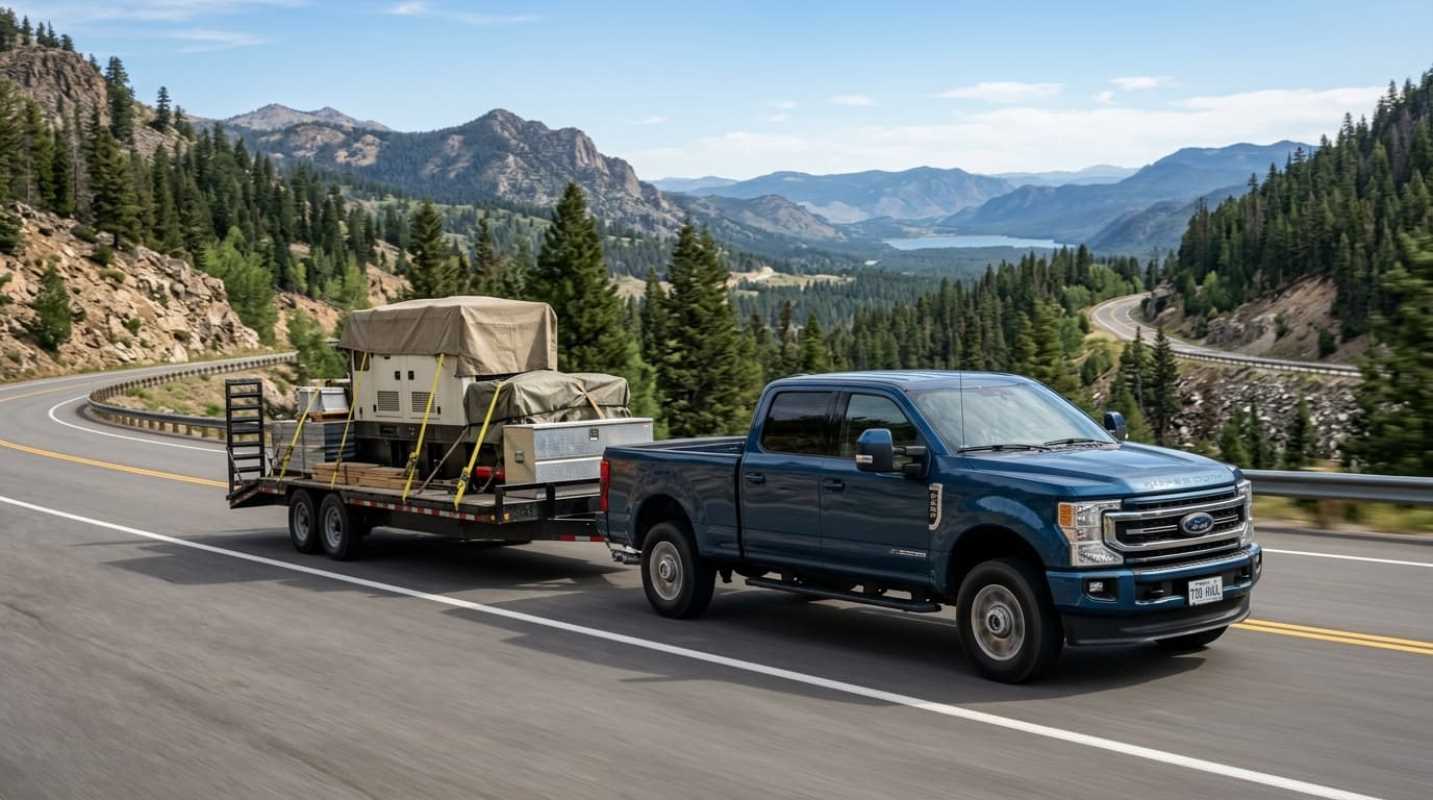
What happens when your trailer weighs more than your house did as a starter home? That is where three-quarter-ton and one-ton heavy-duty trucks step in. If you haul multi-car trailers, heavy farm equipment, commercial plant machinery, or giant fifth-wheel toy haulers, half-ton trucks are completely out of the question.
The heavy-duty world is dominated by three main names: the Ford Super Duty series, GM's Silverado and Sierra 2500 and 3500 HD, and the Ram 2500 and 3500 HD. In top configurations, these beasts enter commercial territory:
• Ford Super Duty: Offers up to 40,000 pounds of gooseneck towing on an F-450, or an 8,000-pound payload on an F-350 dual-rear-wheel gas truck.
• Ram 3500 HD: Pulls up to 37,090 pounds with its high-output Cummins turbo-diesel and handles up to 7,680 pounds of payload with its 6.4-liter gas V8.
• Chevrolet Silverado 3500 HD: Delivers up to 36,000 pounds of max pulling power using its 6.6-liter Duramax diesel mated to an Allison 10-speed transmission.
One big decision you will face here is choosing between gas and diesel. Many buyers assume diesel is automatically better for everything, but there is a catch. Diesel engines are heavy. That cast-iron engine block sitting over the front axle cuts into your door-sticker payload capacity. If you need maximum bed payload for carrying truck campers or roofing supplies, a big-block gas V8 actually gives you more legal carrying capacity.
Where diesels shine is sustained pulling power and descent control. With over 1,000 pound-feet of torque available down low, a turbo-diesel pulls heavy grades without screaming in high gears. When you head down the other side of a steep mountain pass, the integrated exhaust brakes hold back tens of thousands of pounds, keeping your mechanical brakes cool and preventing disaster.
SUVs That Punch Above Their Weight
Not everyone wants an open truck bed. If you need to keep gear dry, haul three rows of kids, and pull a ski boat or travel trailer, full-size SUVs make a compelling alternative.
Body-on-frame SUVs share structural bones with pickup trucks, which gives them serious pulling power compared to standard family crossovers
• Jeep Wagoneer: Leads the entire SUV category with a massive 10,000-pound maximum towing capacity, thanks to its twin-turbo Hurricane inline-six.
• Toyota Sequoia: Pulls up to 9,520 pounds using the hybrid i-FORCE MAX twin-turbo powertrain shared with the Tundra.
• Ford Expedition: Rated up to 9,600 pounds when equipped with the optional Heavy-Duty Trailer Tow Package.
• Lexus GX 550: Uses a tough truck-based platform to tow up to 9,096 pounds, outmuscling nearly every other luxury competitor.
• Dodge Durango: Reaches up to 8,700 pounds on select V8 trims, making it the most capable unibody three-row SUV on the market.
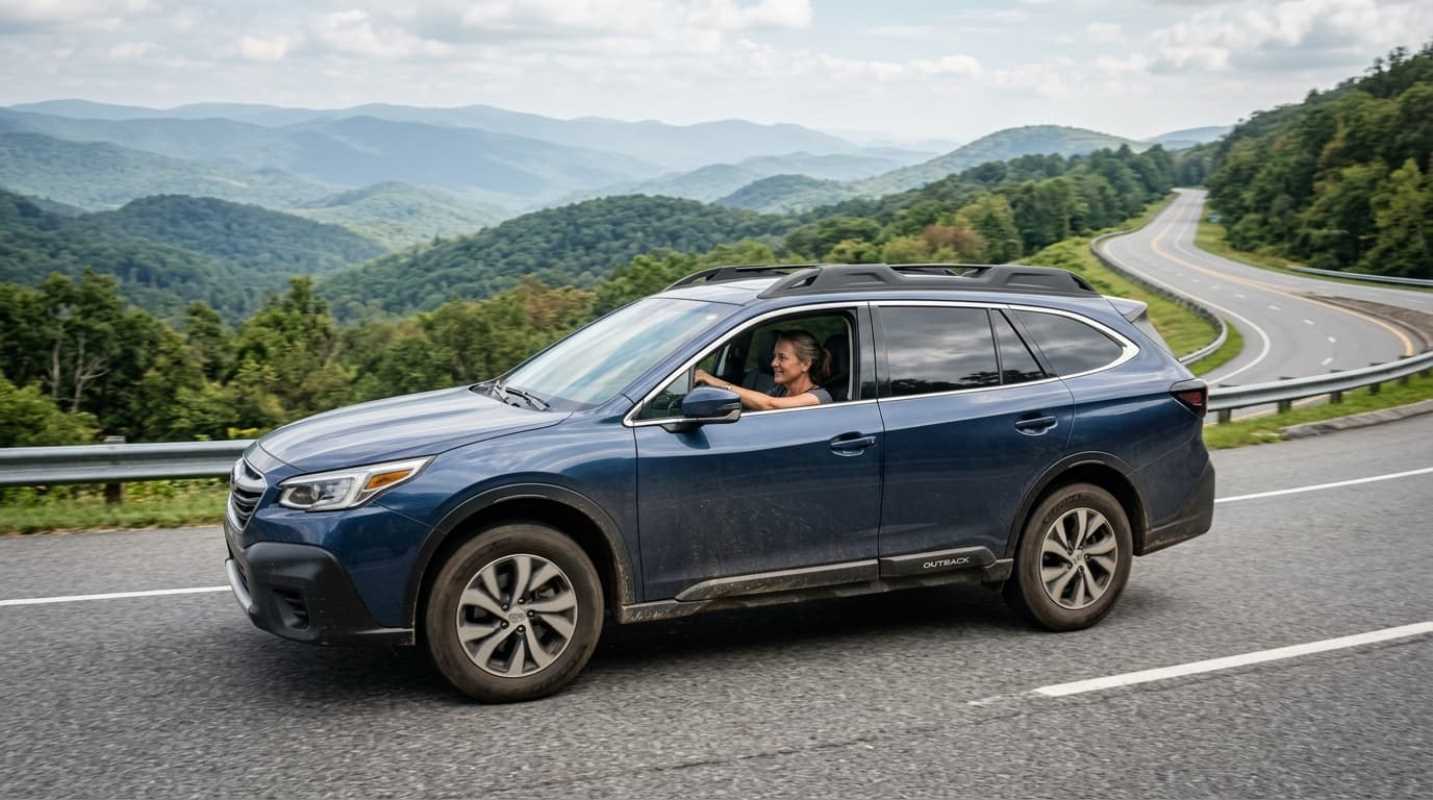
Remember that passenger SUVs come with softer, multi-link rear suspensions designed for family comfort rather than payload. Although a Wagoneer might pull 10,000 pounds on paper, its payload is often around 1,560 pounds. Pack seven people inside, and your remaining tongue weight capacity evaporates rapidly. Always check that door sticker before loading up the family for a long camping trip.
Getting the most from Your Setup Beyond the Vehicle
Having the right vehicle is only half the battle. How you rig and load your gear dictates whether your trip feels relaxed or terrifying.
First, get a weight distribution hitch with built-in sway control if your trailer weighs more than 5,000 pounds.⁴ Weight distribution hitches use spring bars to lever weight off the vehicle's rear axle, pushing it forward onto the front tires and back onto the trailer axles.⁴ This restores your front steering grip and levels your headlights.
Next, pay strict attention to how you pack. Always follow the 60/40 rule: place 60 percent of your cargo weight ahead of the trailer axle and 40 percent behind it. Loading heavy gear at the back of a trailer reduces tongue weight, which creates violent highway fishtailing that electronic safety systems cannot always save.
Finally, think about your tires. Passenger cars and light trucks often leave the factory on soft, comfort-oriented tires. When towing heavy loads near your vehicle's limit, swapping to light truck tires with a Load Range E rating makes a night-and-day difference. Stiffer sidewalls eliminate that floaty, squirmy sensation in crosswinds and keep you planted safely on the pavement.
Sources:
1. Midsize Truck Trailer Towing Guide
https://www.trailerplace.com/midsize-truck-trailer-towing-guide/
2. Payload vs. Towing Capacity in Plain English
https://www.courtesyautoandtruck.com/payload-vs.-towing-capacity-in-plain-english.html
3. Definitive Guide to Safe Towing
https://www.weigh-safe.com/towing-safety/definitive-guide-to-safe-towing/