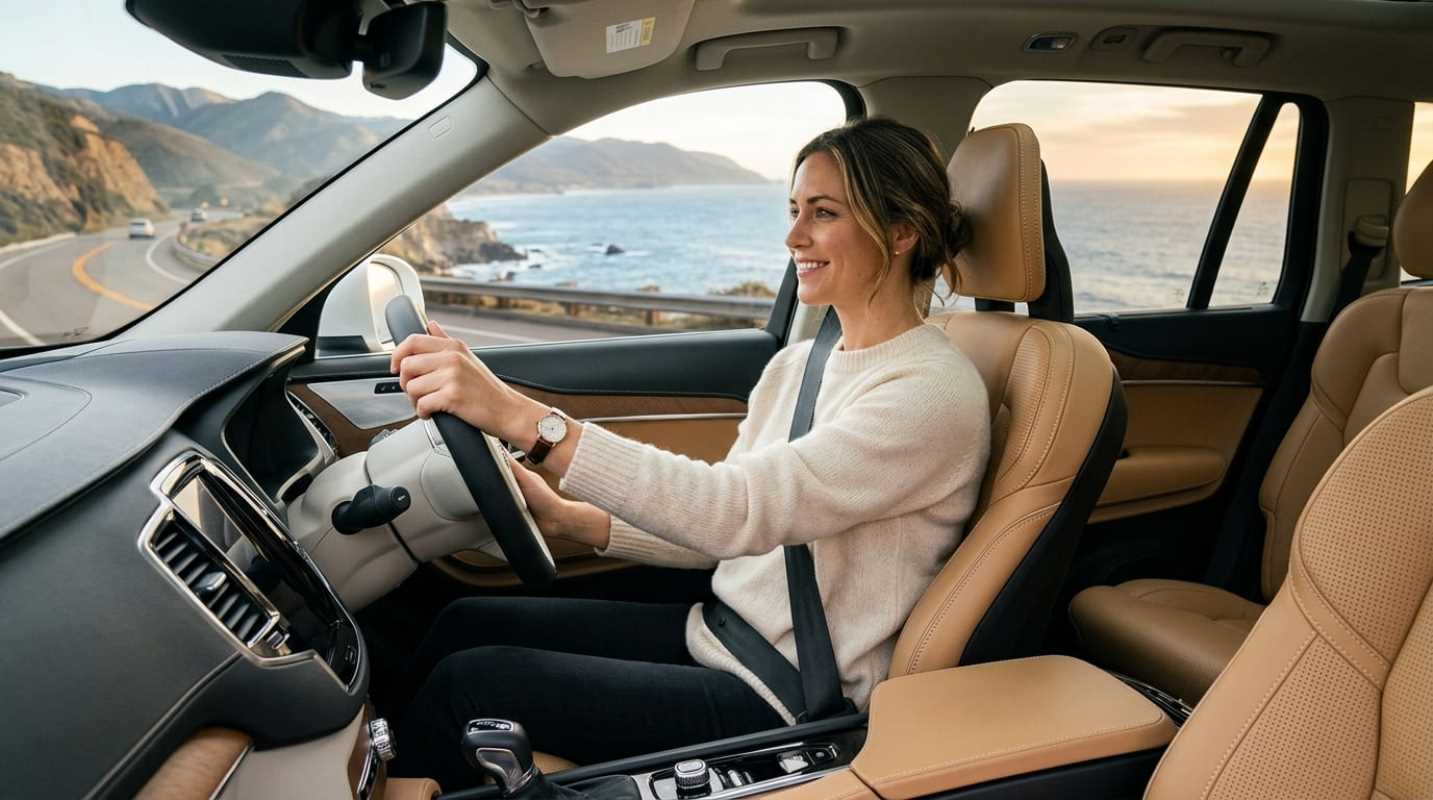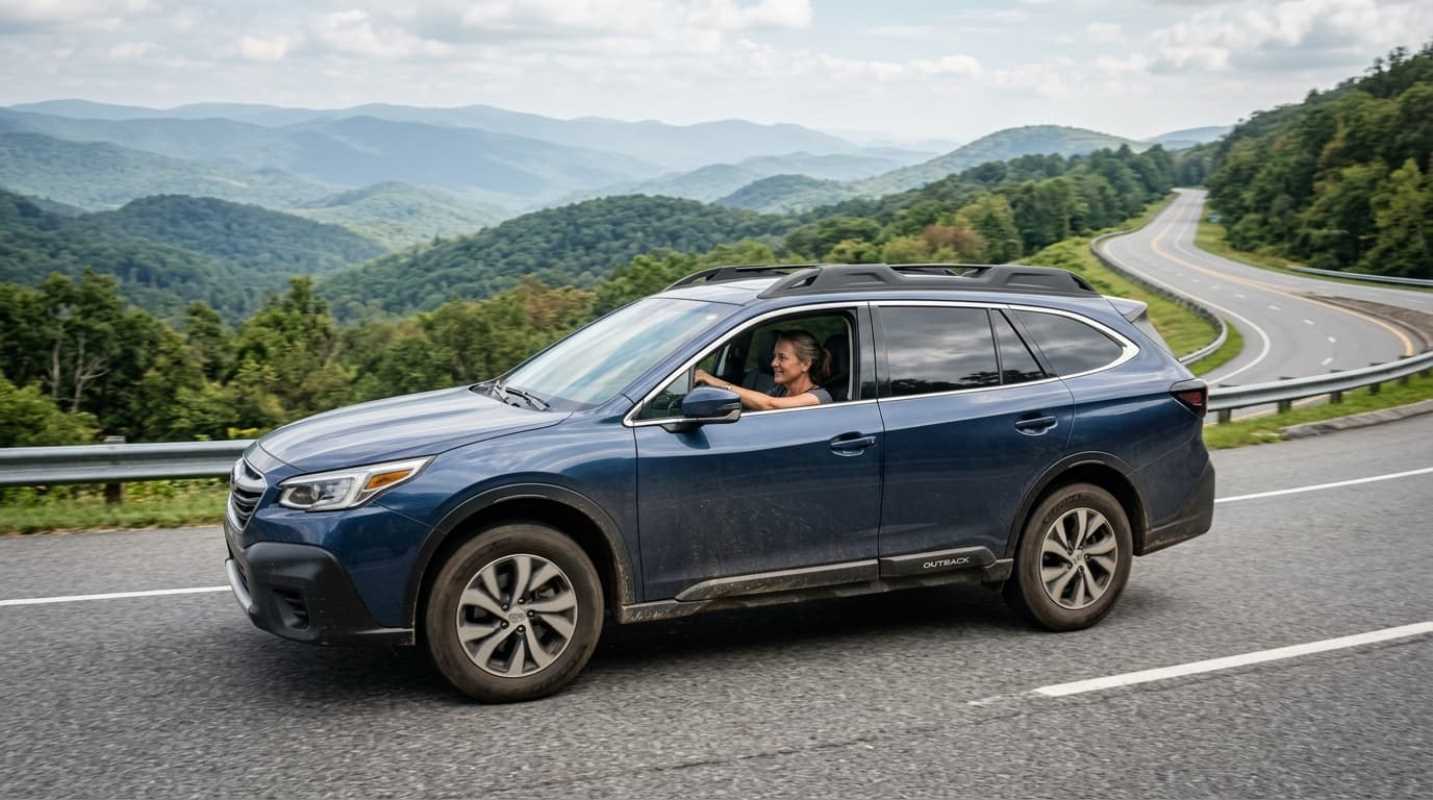
Walking onto a dealership lot to buy your first car brings a unique mix of pure excitement and low-grade panic. You picture yourself on the open road with your favorite music playing, but your brain quickly interrupts with worries about getting ripped off, picking a lemon, or signing a contract you will regret for the next five years.
Have you felt that knot in your stomach yet? You are definitely not alone.
Buying your first vehicle is a milestone, but it is also one of the largest financial commitments you will make. The trick is balancing the excitement of newfound freedom with cold, hard practicality. You do not need to become an ASE-certified mechanic overnight to make a smart purchase. You just need to know what to prioritize, what to ignore, and how to spot a genuinely good deal.
Prioritizing Affordability and Reliability
The biggest mistake first-time buyers make is shopping strictly by the sticker price or, even worse, the monthly payment. Dealership finance managers love to ask, "What monthly payment are you looking for?" That question is a trap designed to stretch your loan term across six or seven years while packing in extra fees.
You need to focus on total affordability. A practical guideline that financial planners often recommend is the 20/4/10 rule.¹ It keeps your car from eating your entire paycheck
• Put 20% down: Making a 20% cash down payment protects you against rapid depreciation and keeps you from going "underwater," which means owing more on the loan than the car is worth.
• Limit loans to 4 years: Stick to a 48-month loan term maximum. Although dealerships will push 72-month or 84-month terms to lower the monthly payment, you will spend thousands more in interest over time.
• Cap total expenses at 10%: Your monthly car payment, insurance premium, fuel, and routine maintenance combined should not exceed 10% of your gross monthly income.
Interest rates make disciplined budgeting mandatory. In 2026, average used-car loan rates sit between 11% and 12%, jumping even higher if your credit history is short.² Securing a pre-approval through your local bank or credit union before shopping gives you real use against dealership markups.
Then there are the ongoing costs. Insurance for first-time or younger drivers can easily climb past $300 a month.³ Always call your insurance company with a few vehicle identification numbers (VINs) for quotes before you make an offer. Add in fuel efficiency and routine maintenance, and you quickly see why reliability is non-negotiable. Sticking with proven platforms from Honda, Toyota, or Mazda keeps unexpected repair bills from blowing up your budget.
Needed Vehicle Features for New Drivers
Automakers love stuffing cockpits with dazzling gadgets, but you should separate true necessities from gimmicky distractions. As a newer driver, your primary focus should be on active safety technology and everyday usability.
Here are the safety and convenience features worth paying for
• Automatic emergency braking with pedestrian detection: This system actively steps in if traffic halts abruptly, reducing front-to-rear crashes significantly.
• Blind-spot warning and rear cross-traffic alert: These sensors act as an extra set of eyes when you merge on busy highways or back out of cramped grocery store parking spots.
• Upgraded headlights: Night driving poses unique hazards. Look for vehicles with an Insurance Institute for Highway Safety (IIHS) headlight rating of "Good" or "Acceptable" rather than standard, dim halogen bulbs.
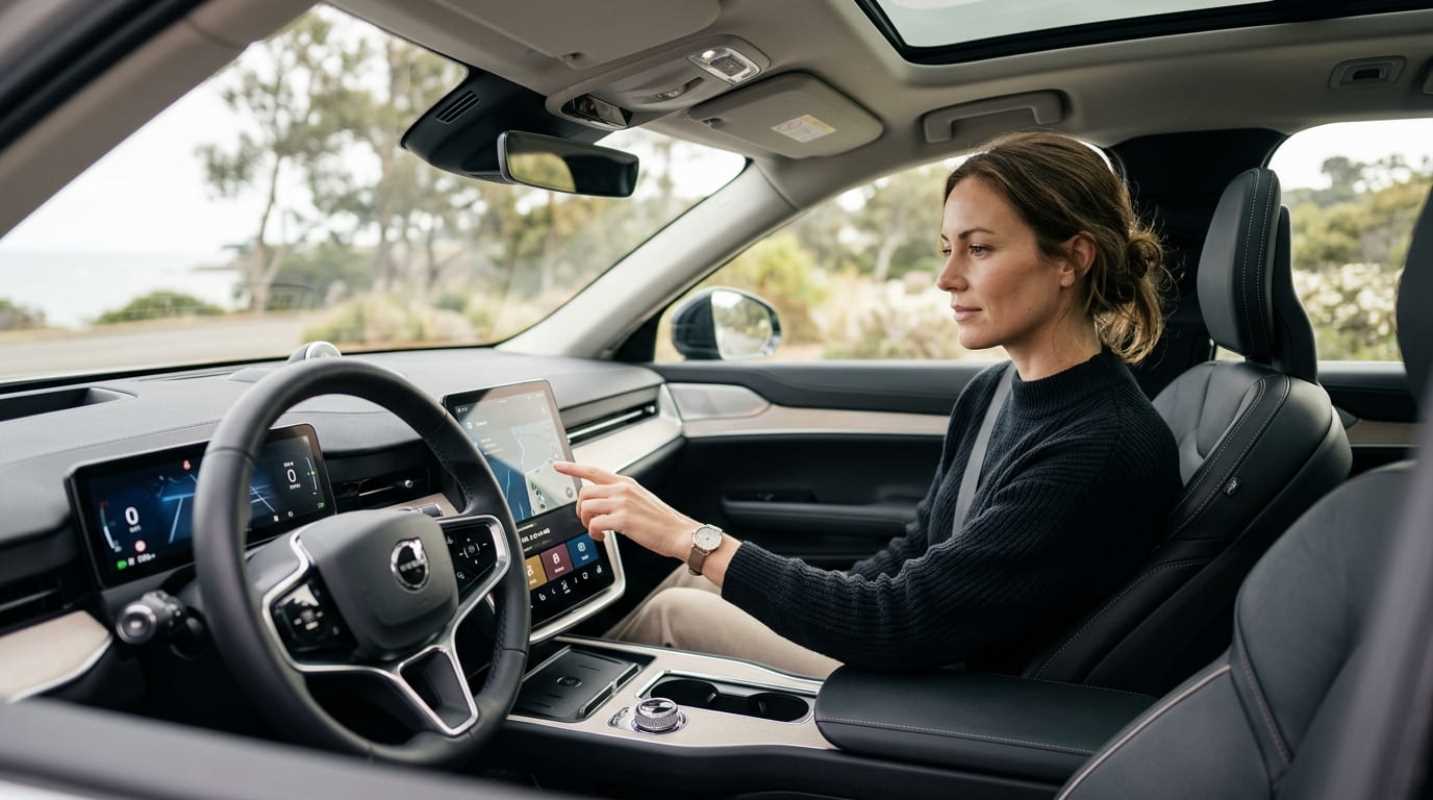
• Intuitive phone integration: Apple CarPlay and Android Auto mirror your navigation apps directly onto the screen. This allows you to check directions without ever picking up your phone.
• Physical control knobs: Touchscreens look sleek, but adjusting the volume or the air conditioning via a flat screen while driving takes your eyes off the road. Dedicated knobs and buttons make driving safer and simpler.
Vehicle weight matters, too. Tiny subcompact cars may carry attractive price tags, but vehicles under 2,750 pounds absorb more crash energy in multi-vehicle accidents. A compact sedan or small crossover strikes the sweet spot between crash protection and easy parking.
The Used vs. New Car Debate
Should your first car be brand new or gently used? There is no single right answer, but the trade-offs are significant.
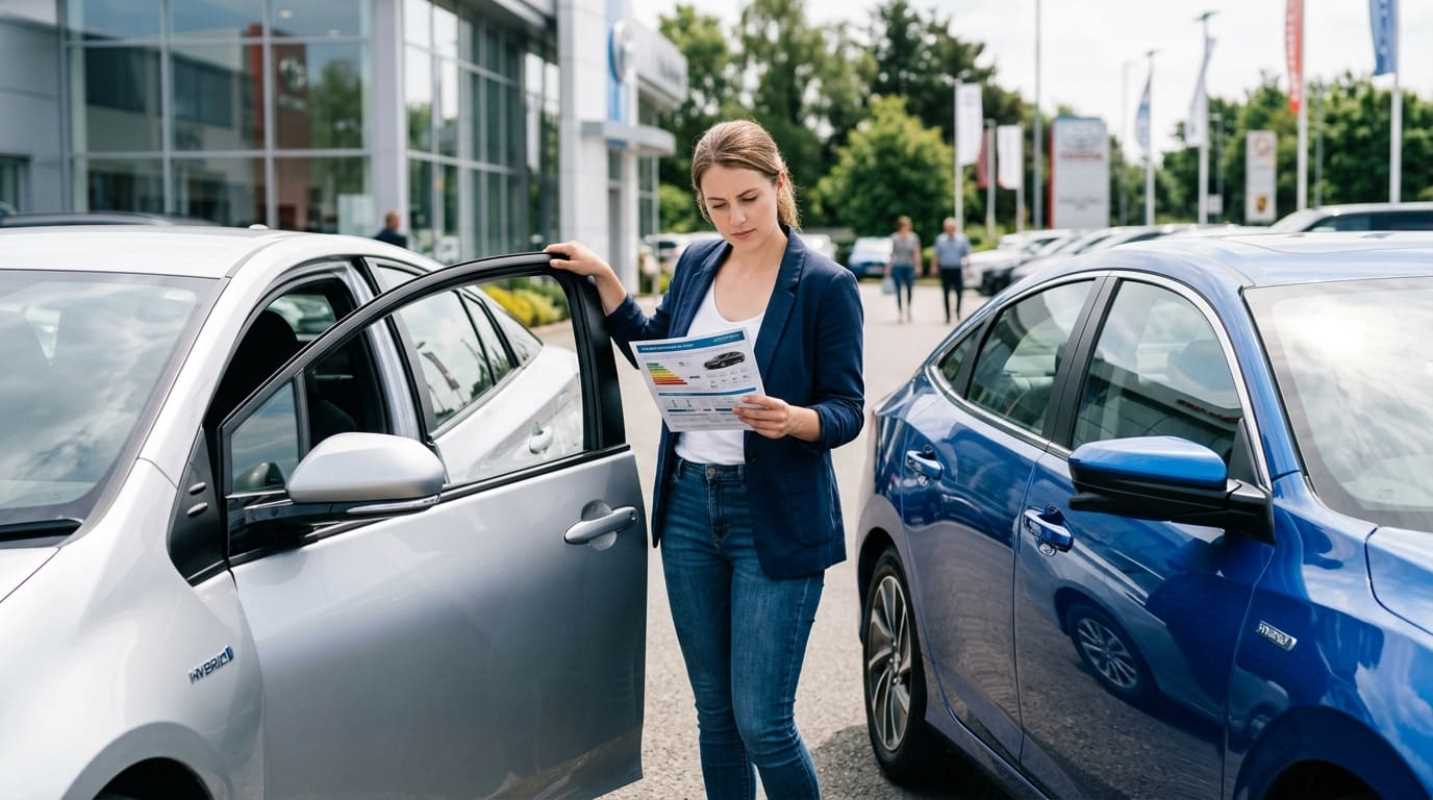
A new car gives you complete peace of mind. You get factory warranties, pristine mechanical components, and zero mystery maintenance history. But you pay a steep premium for that new-car smell. The average new vehicle transaction runs close to $48,000, and standard models lose 15% to 20% of their value in the very first year.
For most first-time drivers, a pre-owned car remains the smarter move. You let the previous owner absorb the heaviest hit of depreciation. If you choose this path, you must protect yourself during the buying process
• Review the vehicle history: Pull a clean Carfax or AutoCheck report. Look for regular oil changes, verify actual odometer mileage, and make sure the title is clean of salvage, flood, or fire records.
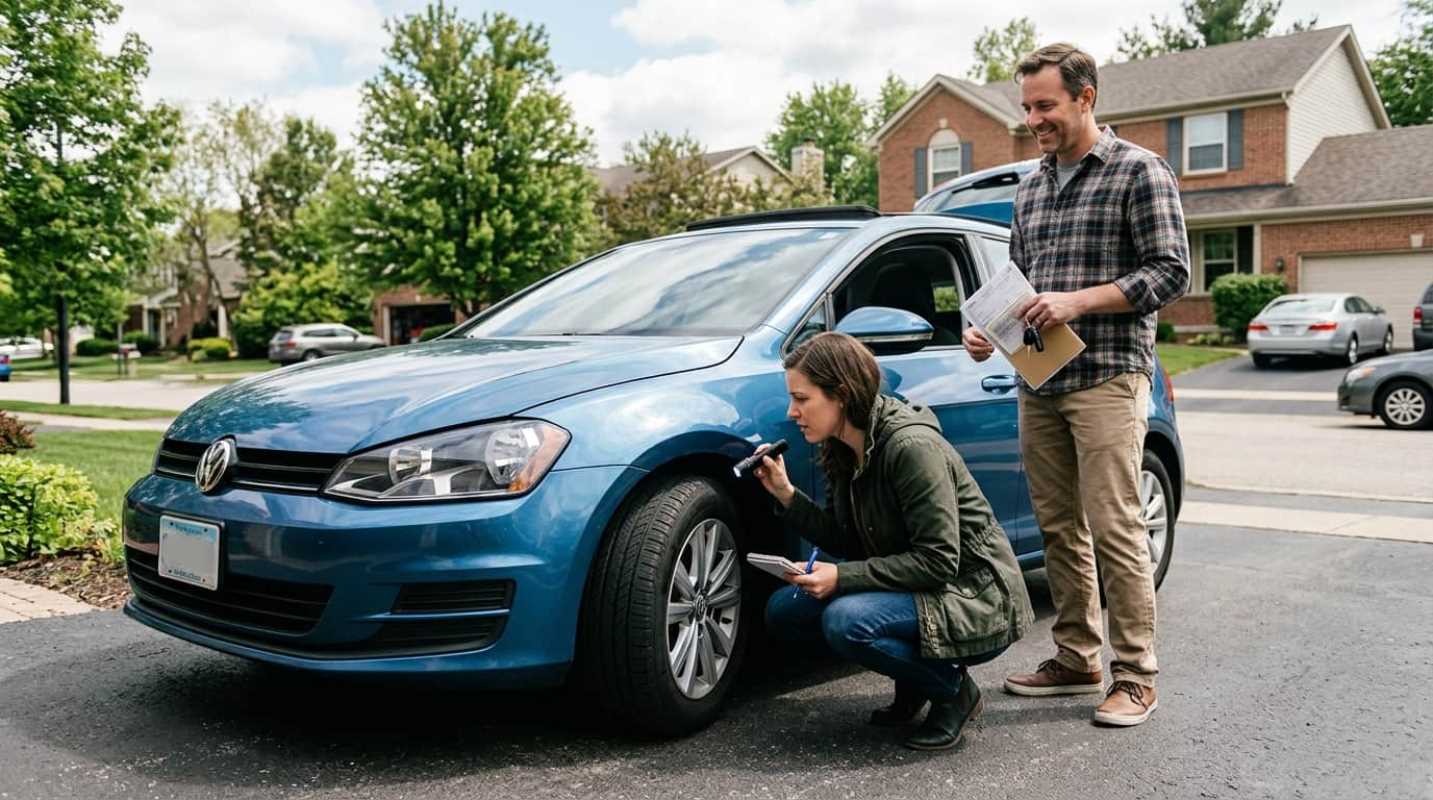
• Book an independent inspection: Always spend the $150 to $200 for a pre-purchase inspection from an independent mechanic before signing. If a private seller or dealership refuses to let your mechanic look at the car, walk away.
• Consider certified pre-owned options: If buying from a private party makes you nervous, certified pre-owned vehicles bridge the gap. They include thorough dealer inspections and extended factory warranties, offering a reliable middle ground.
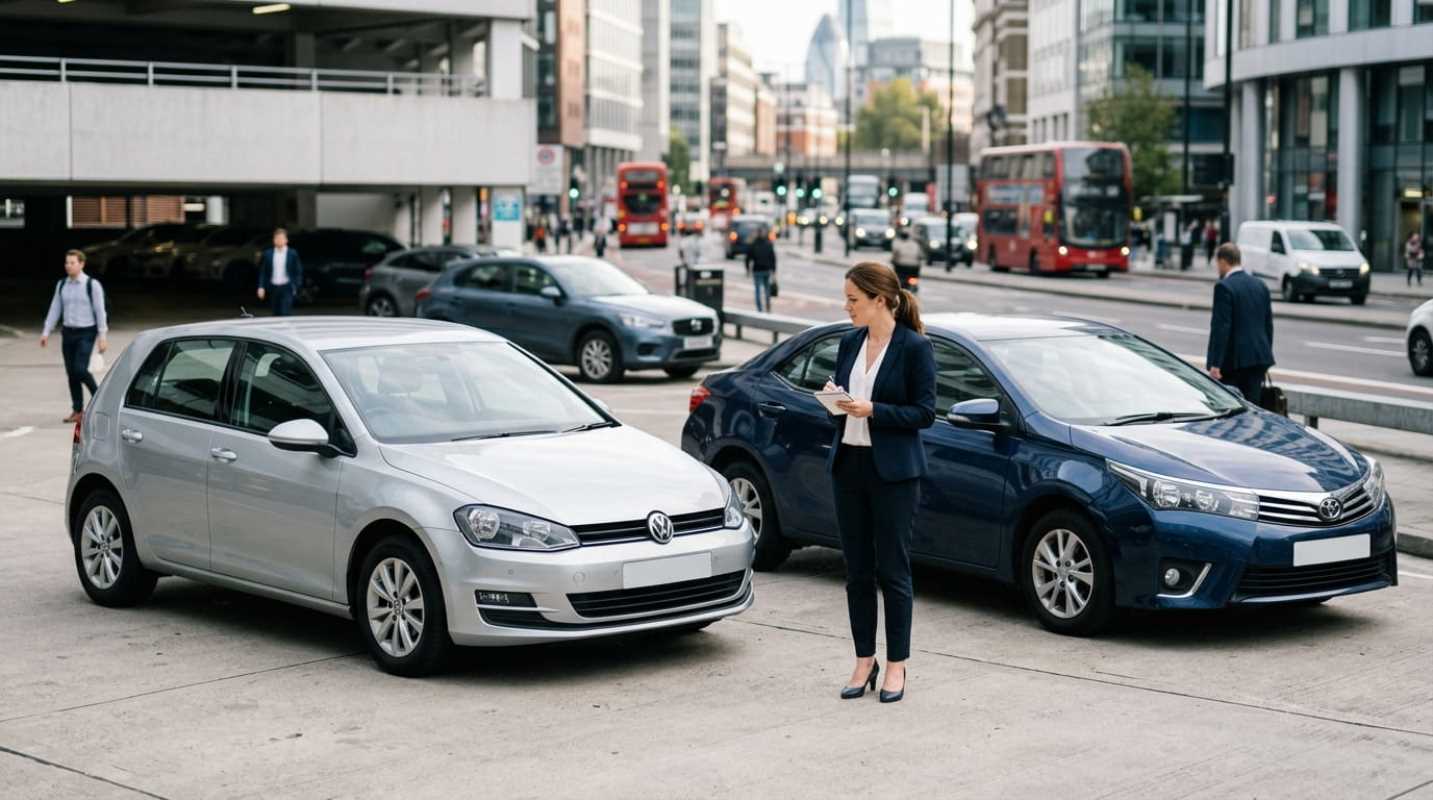
Finding a dependable vehicle means looking at models with a history of simple upkeep, strong resale value, and top crash test scores.
Closing the Deal with Confidence
When you find a candidate that fits your budget and passes inspection, it is time for the test drive. Treat the test drive like a job interview. Turn off the radio for the first ten minutes so you can listen for squealing belts, clunking suspension parts, or grinding brakes. Test the car on varied road surfaces, check visibility out of every window, and make sure the driver's seat stays comfortable during highway merges and sudden stops.
Once back inside the showroom, keep your cool. Negotiate the out-the-door price rather than the monthly payment. Dealerships frequently tack on unnecessary charges like window etching, fabric protection, and bloated preparation fees. Ask for an itemized breakdown and politely demand that the unwanted dealer add-ons be removed.
Before signing your name on the final paperwork, take a breath. Verify that the interest rate matches your pre-approval, confirm that the final price reflects what you negotiated, and check that no mysterious warranties were slipped into the contract. When you take your time, verify every detail, and hold firm on your budget, you will drive off the lot with complete confidence in your new keys.
Sources:
1. Chase: What Is the 20/4/10 Rule for Car Buying?
https://www.chase.com/personal/auto/education/buying/what-is-the-20-4-10-rule-for-car-buying
2. Experian: Average Car Loan Interest Rates by Credit Score
https://www.experian.com/blogs/ask-experian/average-car-loan-interest-rates-by-credit-score/
3. Experian: What Is the Average Cost of Car Insurance?
https://www.experian.com/blogs/ask-experian/average-cost-car-insurance/
*This article on CarDivide is for informational and educational purposes only. Readers are encouraged to consult qualified professionals and verify details with official sources before making decisions. This content does not constitute professional advice.*