Have you ever walked onto a dealership lot and felt like you were stepping into a wrestling match? You just want a reliable commuter car, but suddenly you are dodging doc fees, destination charges, and a finance manager trying to sell you fabric protection.
Buying from a private seller lets you cut through all of that noise. It puts you in direct contact with the person who actually drove, maintained, and lived with the vehicle. But going this route also strips away your safety net. If you want to walk away with a great car instead of someone else's headache, you need to know how to handle the process.
Why Private-Party Car Sales Can Be Your Best Move
The most obvious perk is the price tag. When you buy from a private seller, you dodge dealership overhead, commission payouts, and inflated administrative fees. On average, shopping privately saves buyers between 10% and 15%, which often translates to keeping $2,500 to $4,000 in your pocket. With average used car prices hovering above $26,000, those savings add up fast.¹
You also get unfiltered context. Dealership salespeople rarely know how the prior owner drove the car. A private owner can tell you whether those 80,000 miles were accumulated on highway commutes or stop-and-go city gridlock. You can look them in the eye and gauge how meticulously they cared for the vehicle.
There is a major legal catch, though. Private sales are strictly "as-is." Dealerships often face state-mandated implied warranties or FTC buyer protections, but private sales give you zero lemon-law safety nets. The second you hand over payment and sign the title, every mechanical problem becomes your financial responsibility.
The Non-Negotiables of Vehicle History and Inspection
The average vehicle on American roads is now more than 12 years old. Older cars mean higher mileage, and higher mileage demands serious mechanical homework. Industry registries reveal that roughly 1 in 5 used cars has an undisclosed history of structural damage, open safety recalls, or salvage titling.² To protect yourself, split your evaluation into two distinct phases.
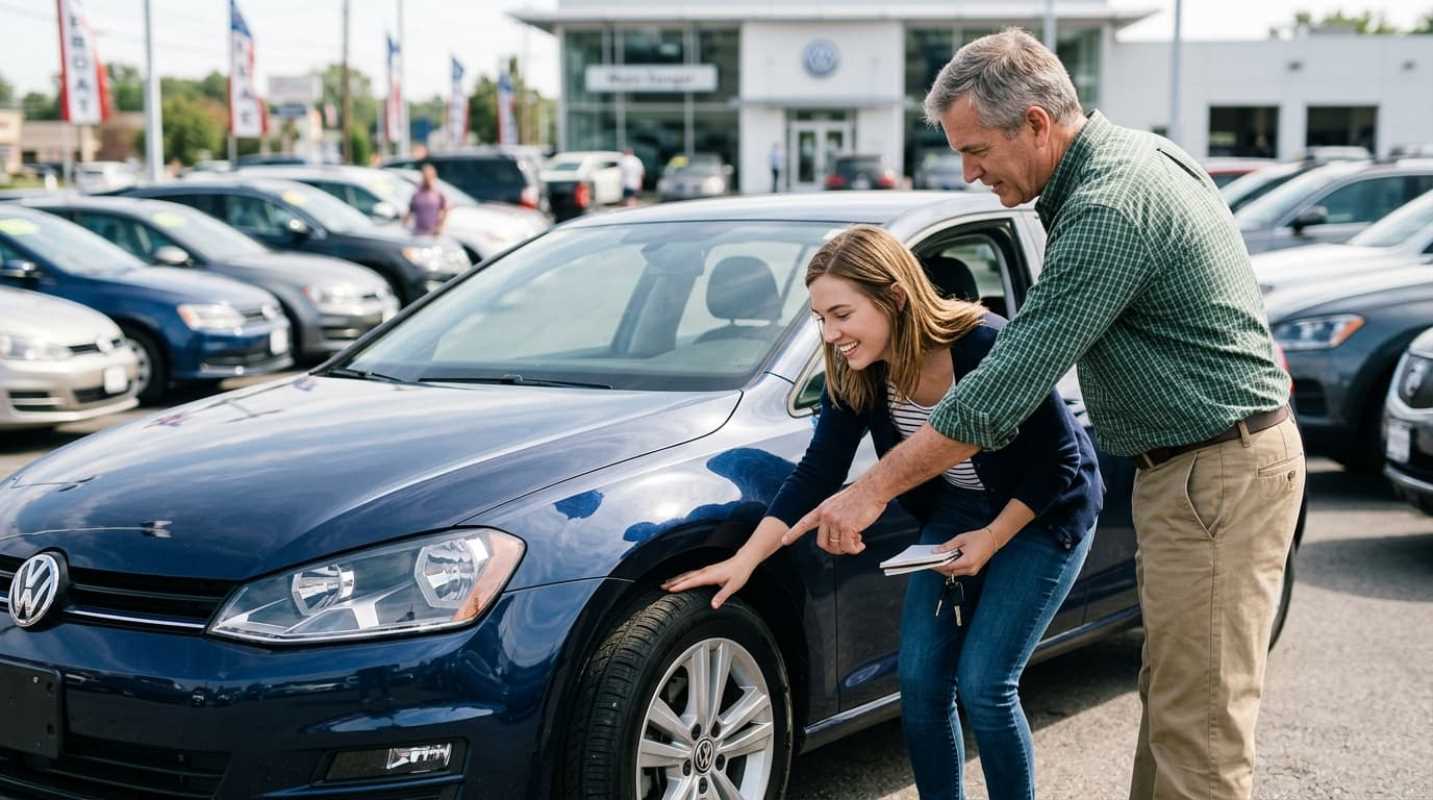
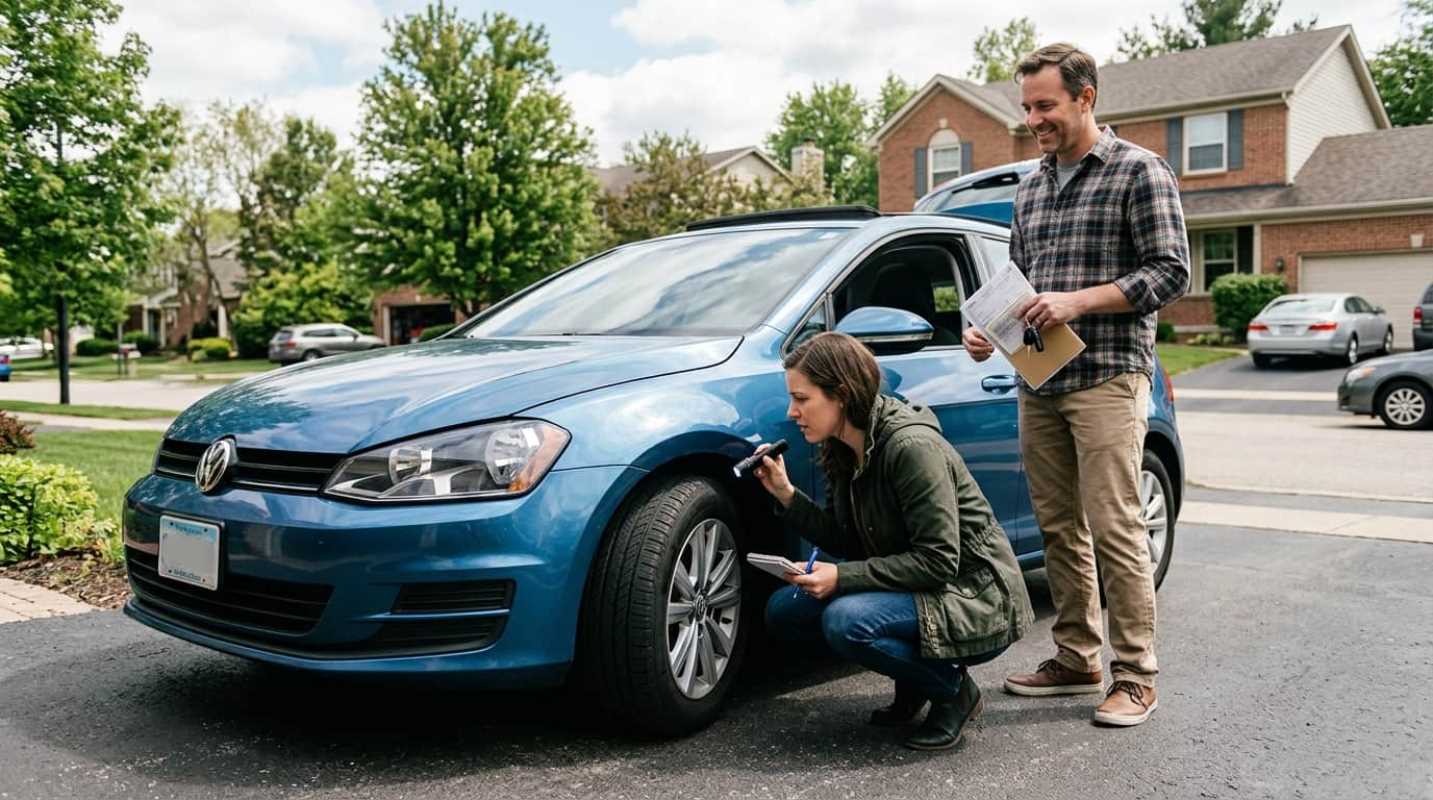
Phase one is your personal driveway check. Never show up empty-handed. Bring a flashlight, an inexpensive OBD-II code scanner, and a rag. Follow these basic inspection checkpoints
• Title and VIN Match: Check that the 17-digit VIN on the dashboard plate matches the driver door jamb sticker and the paper title.
• Cold Start Check: Touch the engine block before starting it to make sure it is stone cold. Sellers sometimes warm up tired engines to mask ticking valvetrains or cold-start exhaust smoke.
• Fluid Condition: Pull the dipsticks. Milky engine oil indicates a blown head gasket, while dark, scorched transmission fluid hints at internal transmission wear.
• Diagnostic Scan: Plug your OBD-II reader into the port beneath the steering column. Check for pending trouble codes and verify that the system readiness monitors are set, which proves the seller did not clear a check engine light five minutes before you arrived.
Phase two is a professional pre-purchase inspection (PPI). You can run all the driveway tests you want, but you cannot spot hairline subframe cracks or leaking steering racks while crouching on a driveway. Book an appointment with an independent mechanic or mobile inspection company. Spending $150 to $250 for a professional lift inspection is cheap insurance. If a seller refuses to let a mechanic look over the car, walk away immediately.
Protecting Yourself as a Buyer on Safety and Legal Logistics
Finding a great mechanical car does not help if the paperwork is fraudulent. You need to vet the person holding the keys just as thoroughly as the engine block.
Be on high alert for curbstoners. These are unlicensed flippers who pose as everyday owners to flip salvage auction cars or flood-damaged wrecks. Automotive auction groups estimate that up to 20% of online private listings come from curbstoners.³ If someone replies with "Which car?" when you ask about your listing, you are dealing with a flipper.
Another serious legal trap is title jumping. This happens when a seller buys a car, skips registering it with the DMV to dodge sales tax, and keeps an unsigned title from the previous owner. They then try to pass that original title directly to you. Title jumping is illegal nationwide, and the DMV will reject the transfer, leaving you with an unregisterable vehicle. Always check the seller's driver's license against the name printed on the front of the title. If the names do not match, walk away.
Never meet a stranger in a deserted parking lot or at an unfamiliar address after dark. Stick to well-lit public spots during daylight hours. Many municipal police stations now maintain designated Safe Exchange Zones covered by continuous security cameras. A local bank branch is another smart alternative.
Mastering the Negotiation and Payment Process
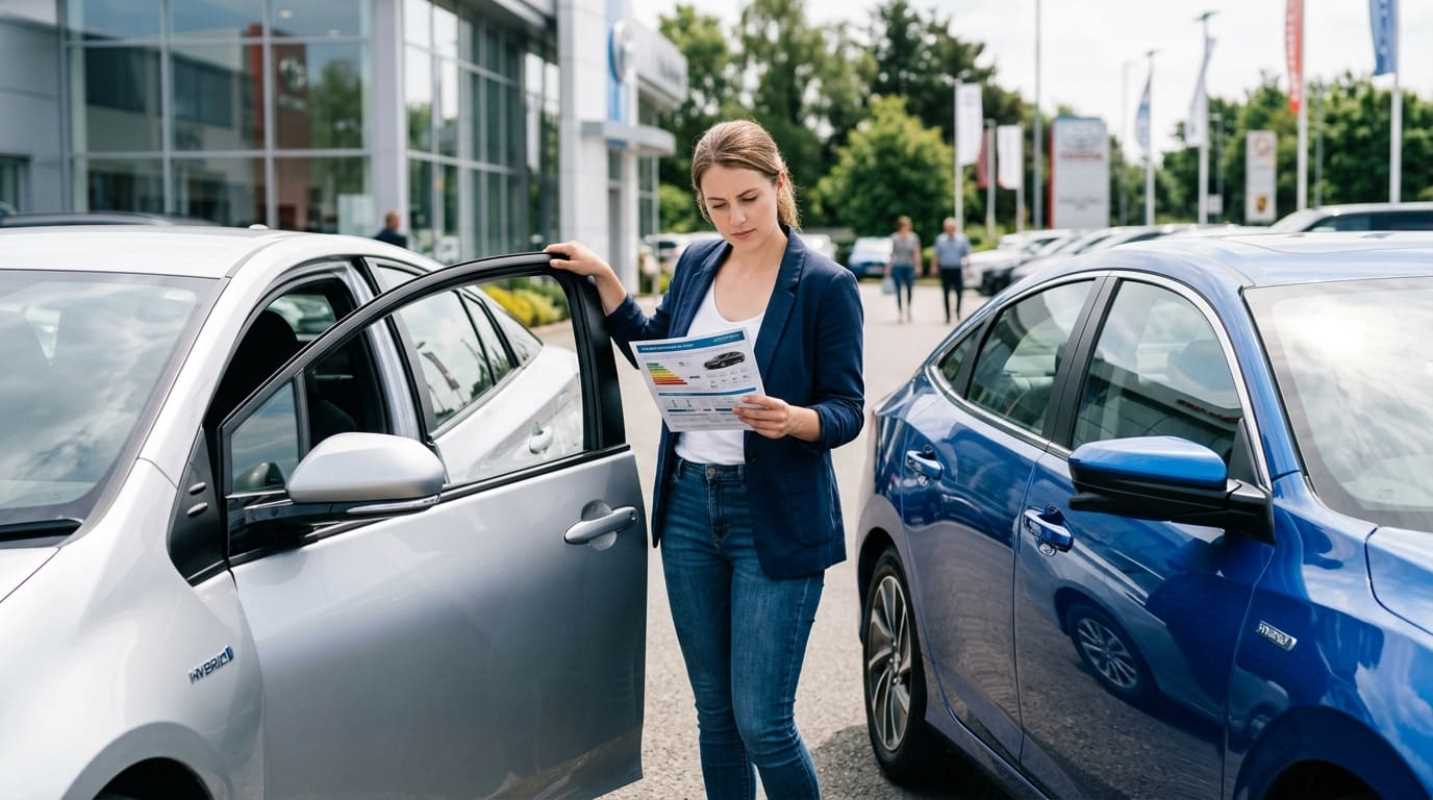
Before you make an offer, do your pricing research using market guides like Kelley Blue Book and Edmunds. Check recent completed private listings for identical trims and mileage in your zip code.
When it comes time to talk price, use your mechanic's inspection report as your baseline. Vague complaints like "the car feels a little rough" get you nowhere. Concrete, itemized repair estimates give you real bargaining power. Like, you can say: "My mechanic found that the front brake pads are down to 2 millimeters and the front struts are leaking fluid. That will cost $750 to repair, so I am ready to buy today if we deduct that amount from your asking price."
When settling payment, avoid carrying thousands of dollars in paper cash to a meeting. Common digital payment apps also carry transaction caps and provide zero buyer fraud protection for vehicle purchases.
The cleanest method is completing the deal directly inside the buyer's or seller's local bank branch. A bank teller can verify funds, draw a legitimate cashier's check, and notarize the bill of sale right on the spot. If the seller has an active lien on the car, the bank branch can coordinate the loan payoff so the title is released properly into your hands.
Closing the Deal with Confidence
Before you shake hands and part ways, run through a final paperwork checklist. You must leave with the physical vehicle title signed over to you correctly, all copies of the keys, and any available maintenance receipts. Both of you should sign two copies of a formal DMV Bill of Sale that states the sale date, purchase price, odometer reading, and a clear statement acknowledging the vehicle is sold as-is.
Call your auto insurance provider before putting the key into the ignition. Most insurers offer a brief grace period for newly acquired cars, but confirming coverage takes two minutes and guarantees protection for your drive home. From there, head directly to your local tag office to pay your sales tax, transfer the title, and grab your new license plates.
Buying a car without a dealer takes effort, patience, and a healthy dose of skepticism. But when you do your homework, bring the right diagnostic tools, and verify every piece of paperwork, you walk away with a reliable ride and thousands of dollars saved.
Sources:
1. Used Car Price Trends for 2025
https://caredge.com/guides/used-car-price-trends-for-2025
2. Buying Used Car Tips: The Complete 20-Point Checklist Inspection Guide
https://www.lowestpricetrafficschool.com/v2/blog/buying-used-car-tips-the-complete-20-point-checklist-inspection-guide-2026
3. How to Avoid Curbstoning
https://goodcar.com/blog/how-to-avoid-curbstoning
*This article on CarDivide is for informational and educational purposes only. Readers are encouraged to consult qualified professionals and verify details with official sources before making decisions. This content does not constitute professional advice.*