You are cruising down the highway, music playing, when an unfamiliar amber or red symbol pops onto your instrument cluster. Your stomach drops instantly. Did something minor just trip an electrical sensor, or is your engine about to turn itself into an expensive paperweight?
Have you been there? Nearly half of all drivers admit to ignoring a lit dashboard icon at some point. Most people simply do not know what the car is trying to tell them, so they cross their fingers and keep driving.
Modern instrument clusters, whether traditional analog dials or digital touchscreens, follow an international color code system governed by ISO standards.¹ Think of your cluster like a traffic light. Green, blue, and white icons are purely informational, letting you know your high beams or adaptive cruise control are working. Amber or yellow lights signal caution, meaning a system needs inspection soon. Red or flashing lights are true emergencies where you must stop driving immediately to avoid severe danger or total mechanical destruction.
The Check Engine Light Panic vs. Prudence
Few things cause more driver anxiety than the check engine icon. It looks like the silhouette of an engine, and it can signify dozens of different issues. The trick is knowing how to read its behavior.
A steady yellow check engine light means the car has detected a problem with its emissions or engine management system. It could be something as simple as a loose gas cap, or it could be an aging oxygen sensor or mass airflow sensor. When the light is solid, there is no need to panic on the shoulder. Your vehicle is safe to complete your trip, but you should book a service appointment within a few days.
A flashing check engine light is an entirely different beast. If that icon begins blinking rapidly while you are driving, an active engine misfire is occurring.
When an engine misfires, one or more cylinders stop burning gasoline. That raw fuel dumps straight into your exhaust system, where it hits your catalytic converter. Catalytic converters normally run between 1,200 and 1,600 degrees Fahrenheit, but unburned fuel causes temperatures inside to spike past 2,000 degrees. Within miles, the internal ceramic core melts, potentially sparking an exhaust fire. Replacing a melted catalytic converter costs an average of $1,348 to $1,511, and often tops $2,500 on larger vehicles.² Pull over safely and shut off the ignition if this light flashes.
Important Alerts and When to Stop Driving Immediately
When a red symbol illuminates, your vehicle is on borrowed time. Continued driving will turn minor issues into catastrophic repairs within minutes. Pull over to a safe area, shift into park, and turn off the engine right away.
• Low Oil Pressure (Red Oil Can): This is not a reminder to top off your oil on Saturday. It means the engine has lost hydraulic pressure entirely. Without oil circulating to cushion moving metal parts, engine bearings overheat and weld together. You have roughly 30 to 90 seconds before the engine completely seizes, leaving you with a $5,000 to $10,000 replacement bill.
• Coolant Temperature Warning (Red Thermometer): This alert shows your engine has exceeded safe thermal operating limits. Aluminum cylinder heads expand rapidly under extreme heat, warping metal surfaces and blowing the head gasket within one to three minutes. Replacing a blown head gasket typically costs between $1,550 and $4,400.³ If the engine block cracks from thermal shock, you will need a complete engine swap.
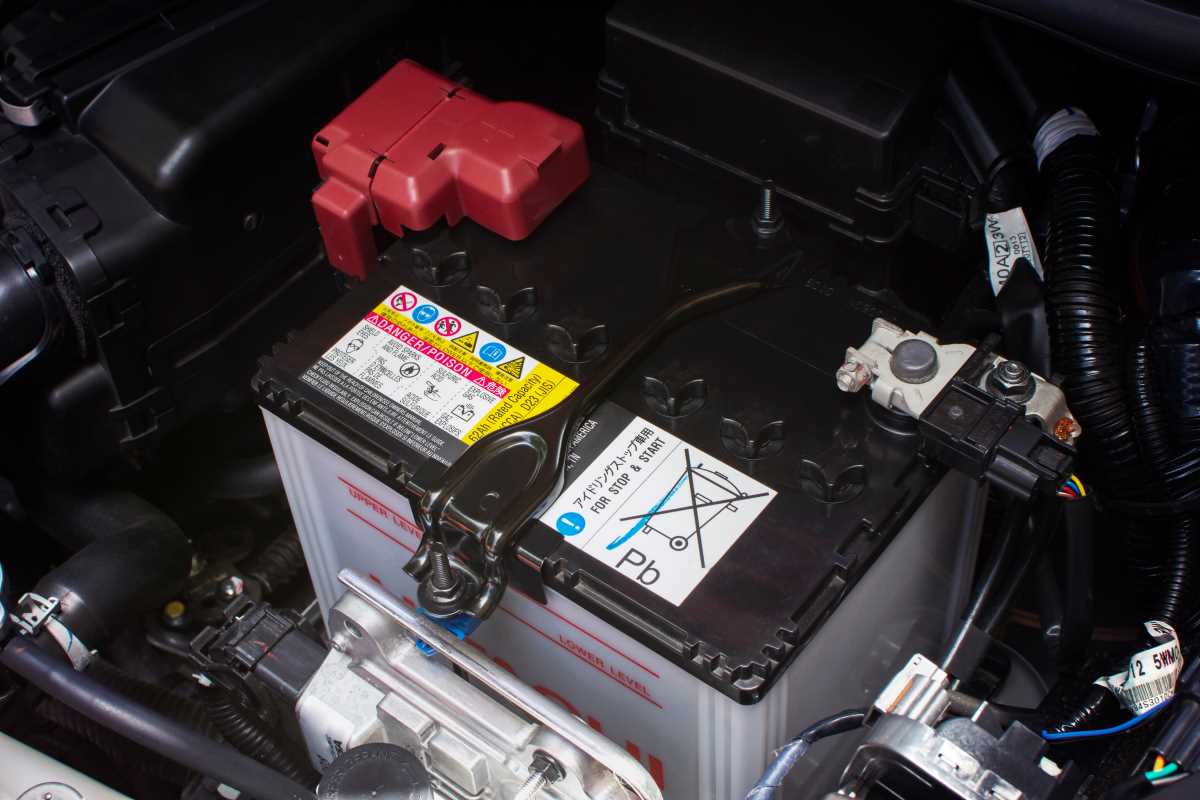
• Charging System Warning (Red Battery): This symbol means your alternator has stopped generating electricity. Your vehicle is running entirely on residual battery reserves. You have roughly 5 to 20 minutes before the electrical charge runs out, causing computerized steering and power brake assist to cut out without warning.
• Red Brake System Warning (Circle with Exclamation Mark or "BRAKE"): If your parking brake is disengaged and this stays lit, you have lost hydraulic brake fluid pressure. A burst brake line or failing master cylinder means your stopping ability is severely compromised.
• High-Voltage or Turtle Icon (Hybrids and EVs): An amber turtle icon means power output is limited due to extreme temperatures or low charge, requiring you to exit fast highways. A red vehicle icon with an exclamation point signals a high-voltage isolation fault or inverter failure, requiring an immediate shutdown to protect the battery pack.
If any of these red lights appear, resist the urge to limp the car to a garage. Spending $100 on a tow truck is cheap insurance compared to buying a replacement engine.
Yellow and Amber Lights to Proceed with Caution
Amber lights mean something is wrong, but the car's primary mechanical safety is intact for the moment. You do not need to pull onto the shoulder, but you should plan a trip to a repair shop.
• Anti-Lock Braking System (ABS): An amber ABS symbol usually points to a failed wheel speed sensor. Your standard mechanical brakes will still stop the vehicle normally. But you will not have anti-skid protection during emergency stops on slick roads.
• Traction Control and Electronic Stability Control: If this light flashes briefly while driving through rain or snow, the system is actively preventing your wheels from slipping. If it remains steady during dry highway driving, the stability assist system has experienced an error and deactivated itself.
• Tire Pressure Monitoring System (TPMS): Shaped like a horseshoe with an exclamation mark, this icon turns on when at least one tire drops 25 percent below its recommended pressure. Pull into the next service station to inspect your tires for punctures and adjust the pressure.
• Advanced Driver Assistance Alerts: In recent vehicle models, cameras and radar sensors behind the windshield frequently disable adaptive cruise control or automatic emergency braking if they become covered in mud, slush, or heavy frost. A quick wash often clears the alert.
Carrying a pocket-sized onboard diagnostics scanner in your glove compartment lets you read trouble codes in seconds, eliminating guesswork before you talk to a mechanic.
Maintenance Habits to Prevent Unexpected Alerts
Most dashboard warnings do not happen out of nowhere. Modern vehicle computers track subtle variances long before a light turns on, and routine care prevents the majority of surprise breakdowns.
Pop your hood once a month to look at fluid reservoirs. Checking your engine oil dipstick and coolant levels takes two minutes and catches small leaks before they turn into low-pressure warnings. Pay attention to how your engine sounds at cold startup. A subtle rattle or rough idle is often an early sign of an ignition misfire or worn sensor.
When an amber light does appear, do not wait for it to turn red. An inexpensive fix like a $250 oxygen sensor will quietly wreck your catalytic converter if neglected for months. Finding a trustworthy independent mechanic before you face an emergency gives you a reliable partner when unexpected warnings strike.
Sources:
1. Car Warning Lights Explained
https://mwg.aaa.com/via/car/car-warning-lights-explained
2. CarMD Finds Check Engine Repair Costs Down Slightly
https://www.prnewswire.com/news-releases/carmd-finds-check-engine-repair-costs-down-slightly-302435425.html
3. Head Gasket Replacement Cost
https://www.synchrony.com/blog/automotive/head-gasket-replacement-cost.html